A week in La Palma is the perfect amount of time to discover the island in depth without rushing. This 7-day itinerary takes you through all the essential spots: the capital, the west coast with its sea caves, the Caldera de Taburiente, the forests of the north, the volcanoes of the south and the experiences that make La Palma a destination unlike any other.
Want the big picture before planning your week? See our Full guide: what to do in La Palma.
Day 1: Arrival and Santa Cruz de La Palma
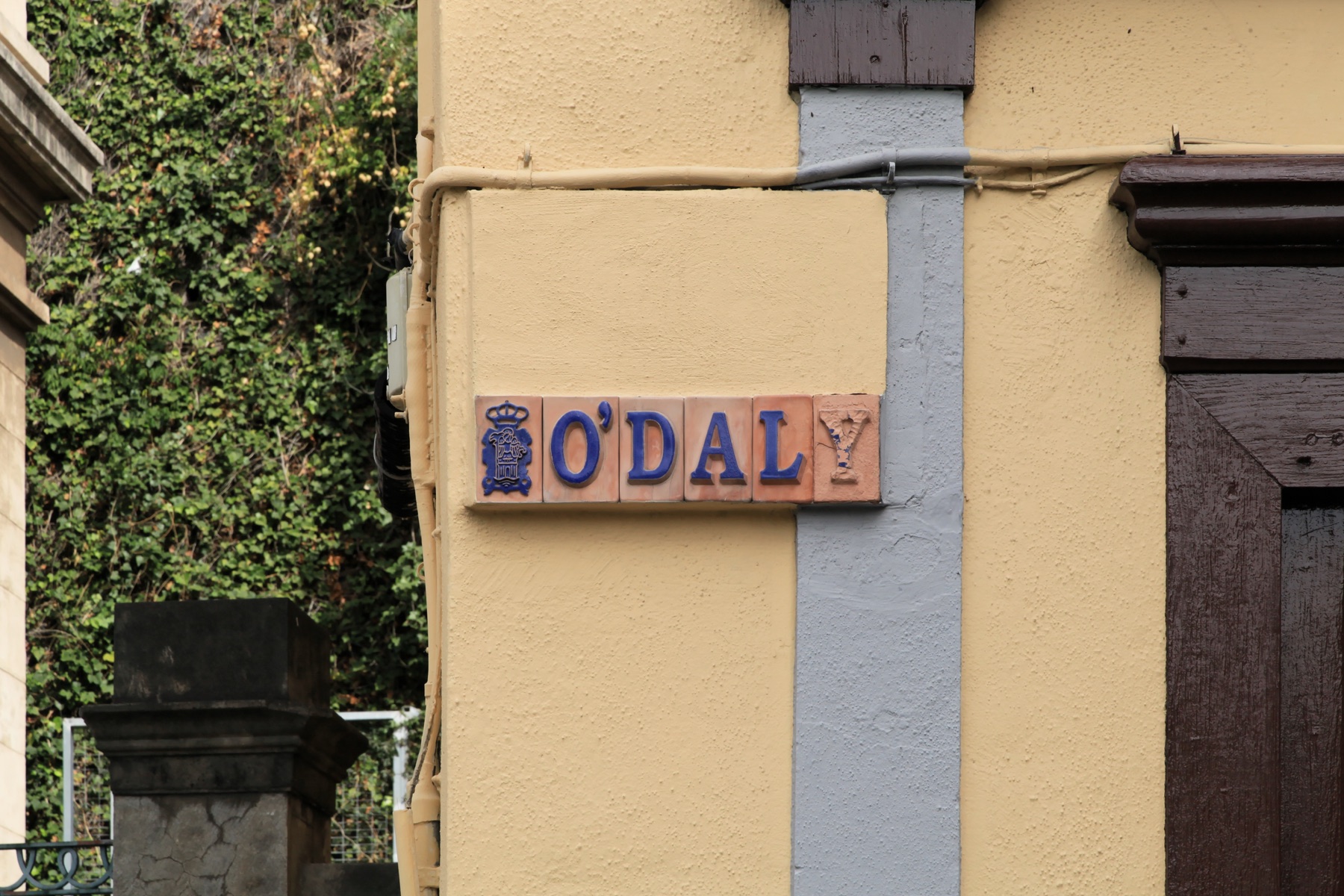
Dedicate your first day to exploring Santa Cruz de La Palma, the island's capital. Most visitors land at La Palma Airport (SPC), just 8 km south of the city (about 15 minutes by car), so it makes sense to settle in here before heading out to the wilder corners of the island. Stroll along Calle Real (Calle O'Daly and Calle Perez de Brito) admiring the carved wooden Canarian balconies and the colourful colonial facades. Visit the Plaza de Espana with the church of El Salvador, the Renaissance town hall and the Plaza de Santo Domingo. The Naval Museum Barco de la Virgen -- a full-size replica of Columbus's Santa Maria -- and the Insular Museum are quick visits that will help you understand the history and culture of the island. Set aside around half a day for the old town, which is comfortably explored on foot.
For lunch, try one of the restaurants in the centre serving traditional Canarian cuisine from La Palma: papas arrugadas (wrinkly potatoes) with red and green mojo sauce, grilled queso palmero (the island's smoked goat's cheese, with its own Denomination of Origin) and the fresh fish of the day such as vieja or cherne. In the afternoon, head to Santa Cruz Beach, right beside the historic centre, or climb up to the Mirador de la Concepcion (a 10-minute drive) for your first panoramic view of the city, the port and the Atlantic. If you arrive early enough, wander down to the Avenida Maritima to see the famous row of traditional balconies overlooking the sea at golden hour.
Practical tip: pick up your hire car at the airport on arrival -- you will need it from day two onwards. Many shops in Santa Cruz close for a long lunch (roughly 13:30-17:00), so plan your sightseeing around it.
Day 2: West coast, Porís de Candelaria and kayaking
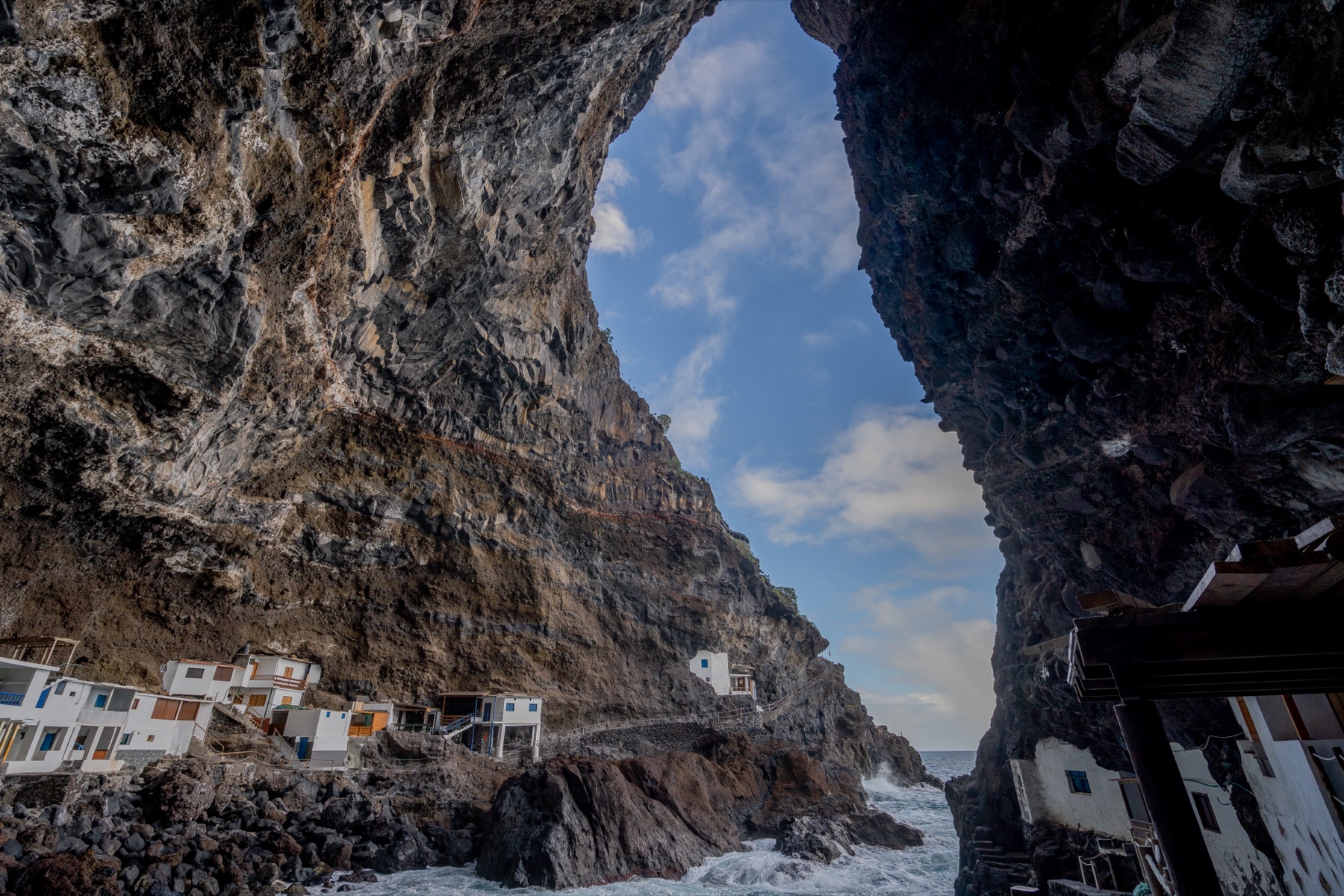
The second day is for the standout experience of the trip. Head to the west coast to visit Porís de Candelaria, a unique village where fishermen's houses hide beneath an enormous volcanic cliff -- one of the most photographed corners of La Palma. From here our kayak excursion departs, following the cliffs of Tijarafe to Cueva Bonita, a sea cave accessible only from the water where the light creates hypnotic blue reflections. It is the kind of place you simply cannot reach on foot or by road, which is exactly what makes it so special.
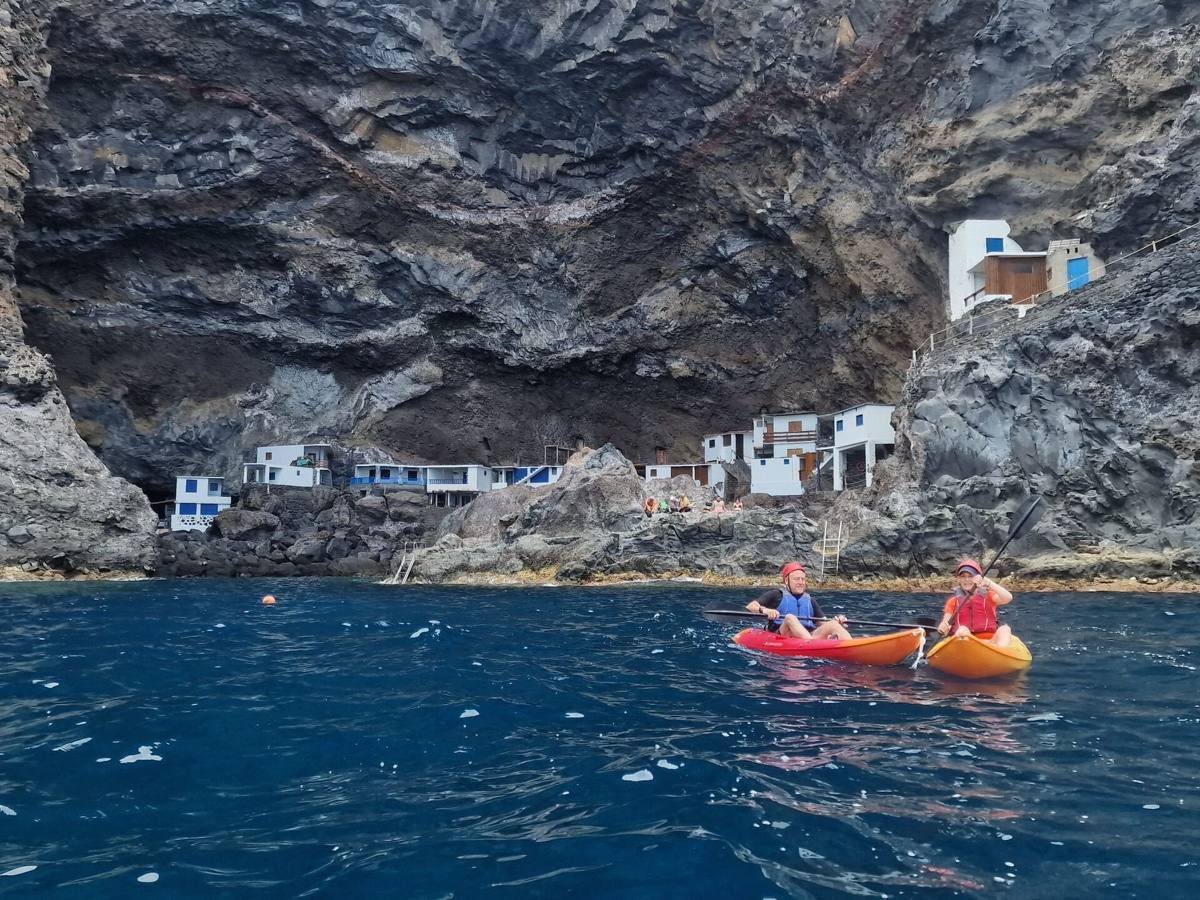
The excursion lasts around 2.5-3 hours and is suitable for all levels, including complete beginners -- our local guides give a full briefing and lead the whole route, so no previous experience is needed. It is the highlight of any active week on the island, so check the current calendar for the Cueva Bonita kayak trip, as availability varies by date and departure. Bring swimwear, sunscreen, water and a towel; everything else (kayak, paddle and life jacket) is provided.
Afterwards, have lunch at one of the seafood restaurants in Tijarafe or down in Puerto de Tazacorte, then stay on the west coast to enjoy the sunset from the Mirador del Time -- a dramatic balcony over the Valle de Aridane and the mouth of the Barranco de las Angustias -- or from the village itself. The west of La Palma has some of the best sunsets in the Canary Islands, with the sun dropping straight into the Atlantic.
Day 3: Caldera de Taburiente National Park
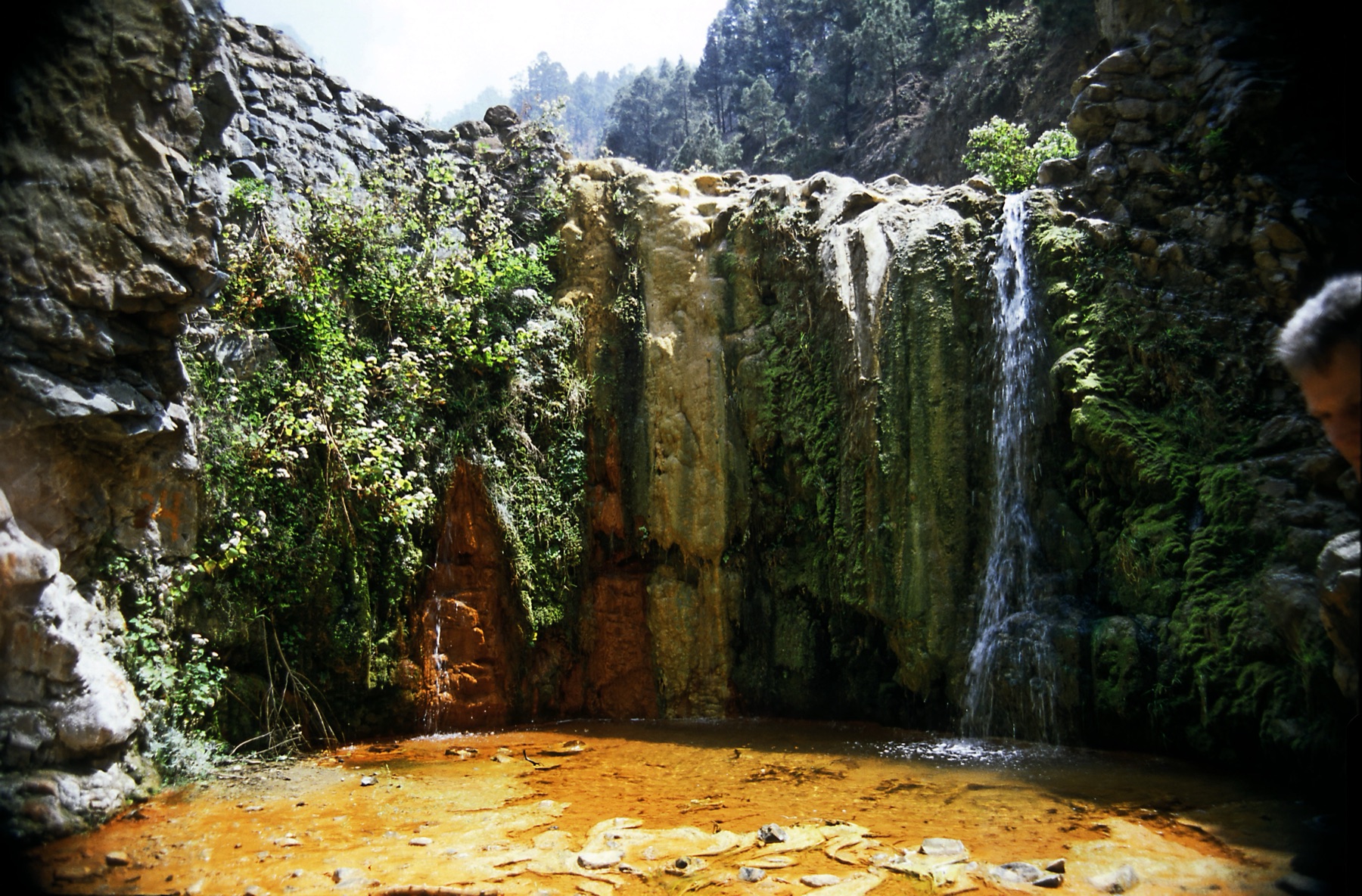
Dedicate the third day to the Caldera de Taburiente National Park, a vast erosion crater around 8 km across and up to 2,000 m deep -- one of the great natural wonders of the Canary Islands. If you are a hiker, the route to the Cascada de Colores is a must: from the Barranco de las Angustias car park you follow the riverbed into the heart of the caldera through Canarian pine forests to a waterfall tinted orange, yellow and green by iron-rich minerals in the water. The full route (via the Dos Aguas junction) takes around 5-6 hours there and back and requires a moderate level of fitness and sturdy footwear, as several sections cross the stream. Set off early and carry at least 1.5 litres of water per person, as there is no shade on the final stretch.
If you prefer something gentler, the Mirador de la Cumbrecita offers spectacular views of the caldera's interior, the Roque Idafe and the sheer inner walls without the need for much walking -- there are short, well-marked loop trails from the car park. Remember that from around Easter to autumn you must book vehicle access to La Cumbrecita in advance via the National Park's website, as parking spaces are strictly limited; without a reservation you may be turned away at the barrier in El Paso. Round off the day with a visit to the park's Visitor Centre near El Paso, which explains the geology and endemic wildlife of the caldera, and pause at the mirador for a picnic surrounded by the scent of pine.
Day 4: Roque de los Muchachos and stargazing
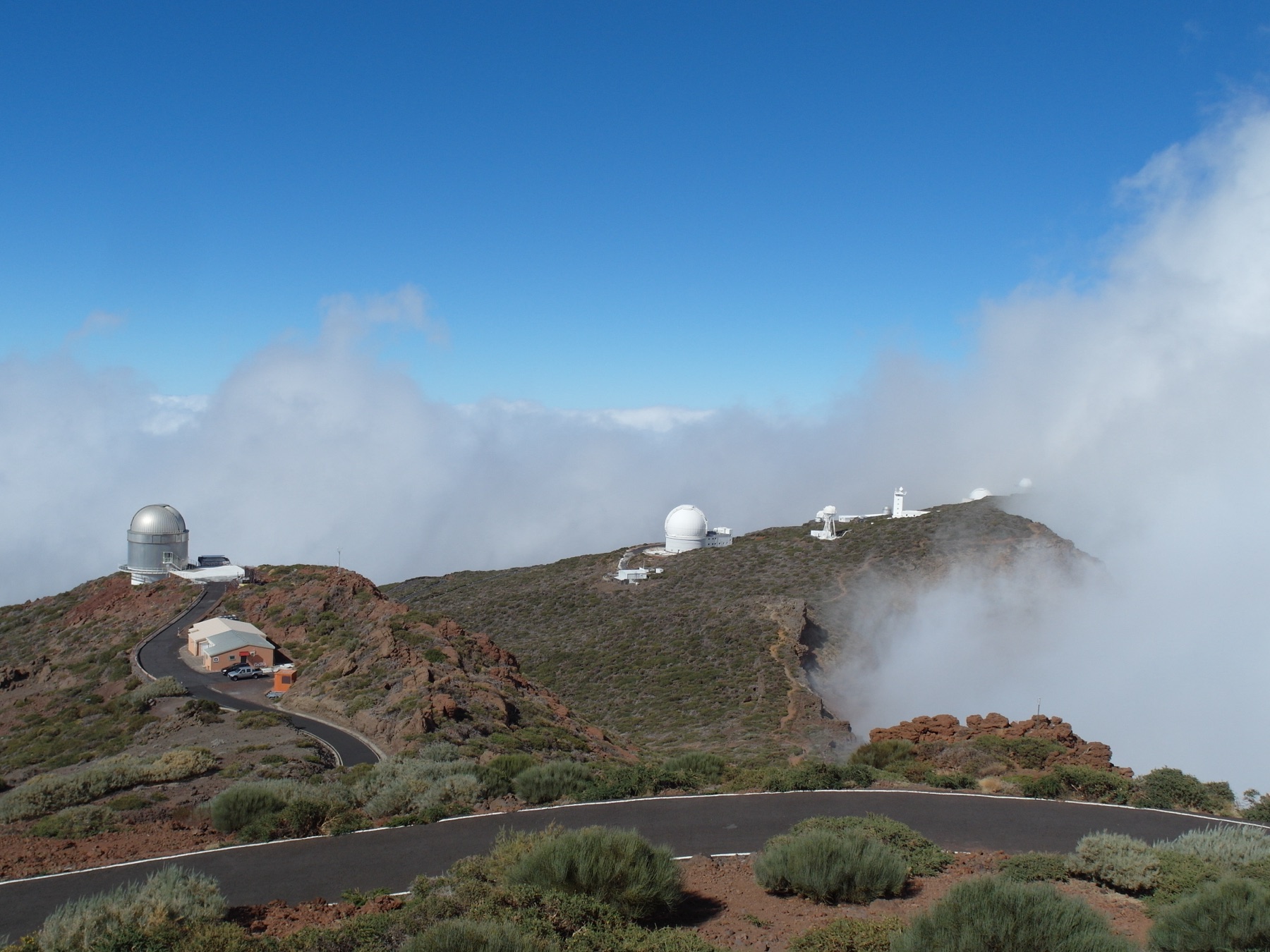
Drive up to the Roque de los Muchachos (2,426 m), the roof of La Palma and the rim of the Caldera de Taburiente. The access road is an experience in itself: allow around 1.5-2 hours from the Valle de Aridane or Santa Cruz, as it is long and winding. As you ascend, the landscape changes from laurel and Canarian pine forest to an almost lunar terrain above the clouds. From the summit, the views are otherworldly: the caldera at your feet, the mar de nubes (sea of clouds) rolling over the ridges and, on a clear day, the neighbouring islands of Tenerife, La Gomera and El Hierro on the horizon. Bring a jacket even in summer -- temperatures at the top can be 15-20°C cooler than on the coast, and the wind is sharp.
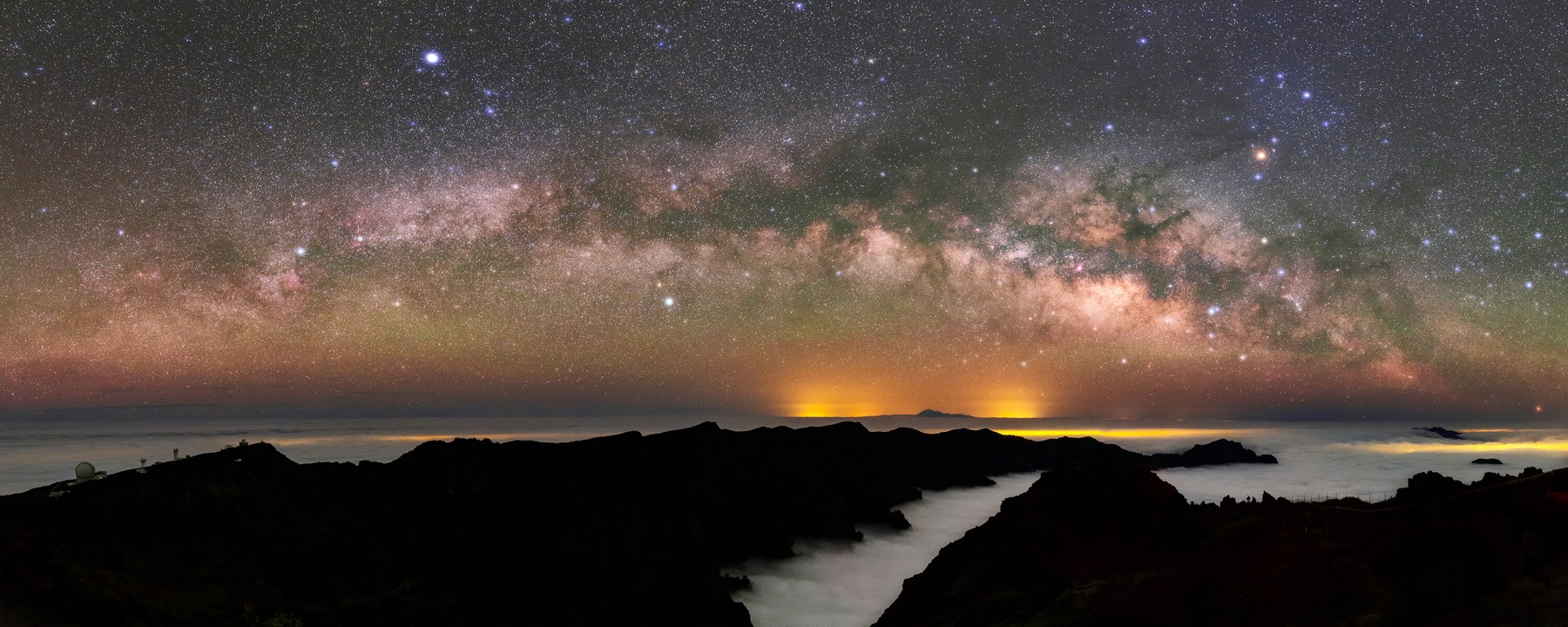
The Observatorio del Roque de los Muchachos is one of the most important astronomical complexes in the world, home to the Gran Telescopio Canarias, the largest single-aperture optical telescope on the planet. Guided daytime tours of the observatory are available on set days and must be booked well in advance. In the evening, take advantage of a stargazing session: La Palma is a certified Starlight Reserve and the whole island enforces a low-light-pollution law, so from the high viewpoints such as the Llano del Jable or the Mirador del Roque the Milky Way can be seen with a clarity you will find in virtually no other place in Europe. If you would rather not drive the mountain roads in the dark, several local companies run guided astronomy outings with telescopes and a qualified Starlight guide.
Day 5: The green north -- Los Tilos and San Andres
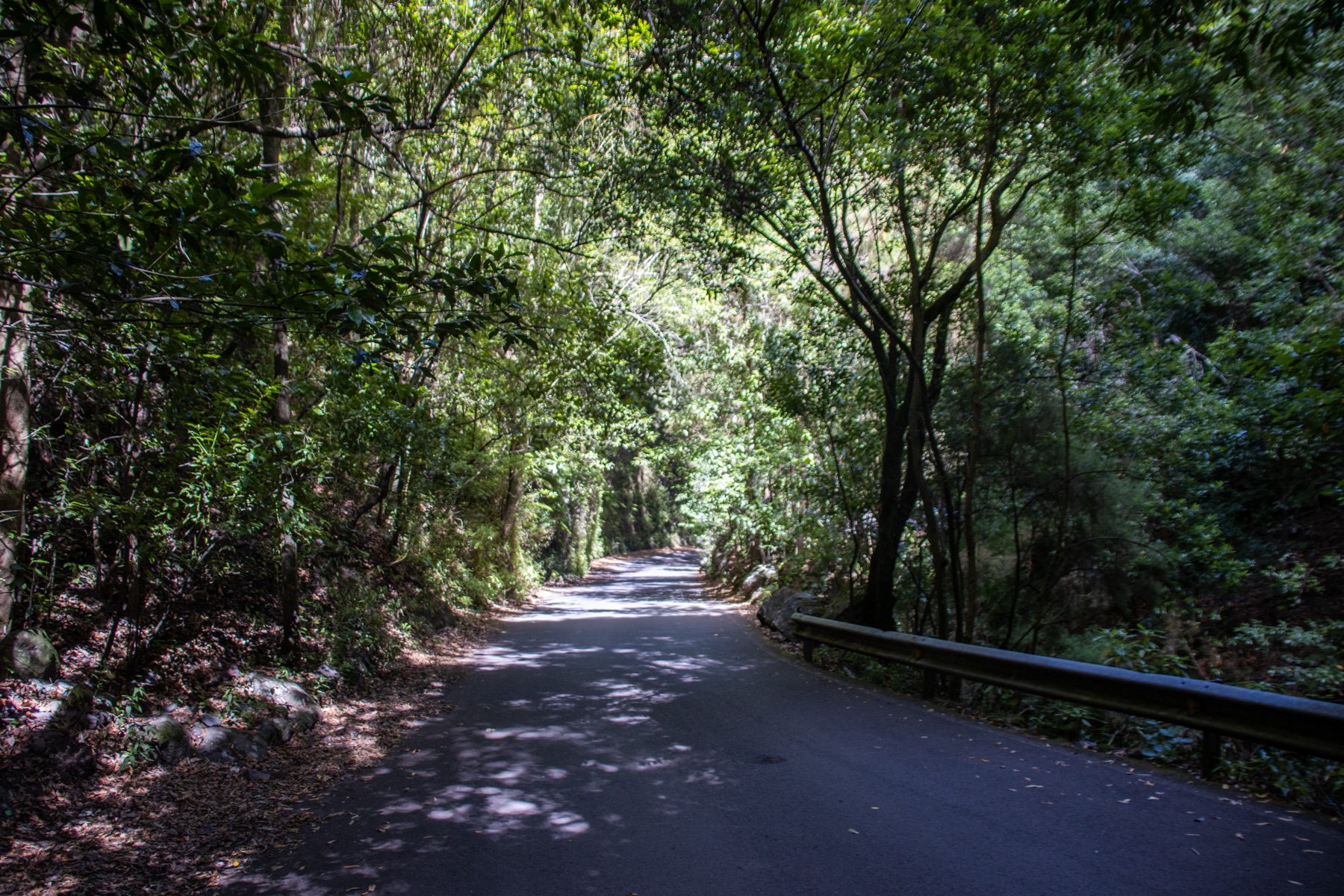
The fifth day takes you to the north of the island, the greenest and most humid area, where the trade winds keep everything lush. Begin at Los Tilos in the municipality of San Andres y Sauces, the core of the island's UNESCO Biosphere Reserve, where you will walk among giant ferns, ancient moss-covered trees and waterfalls in one of the best-preserved laurisilva (laurel) forests in the world -- a living remnant of the subtropical forests that once covered the Mediterranean basin. The easy loop from the visitor centre takes about 30-40 minutes; more adventurous walkers can tackle the longer trail to the Marcos y Cordero springs (via a chain of dripping tunnels -- bring a head torch and waterproofs). If you enjoy walking beneath the tree ferns here, you will love our other guided hiking and nature outings in the north of the island.
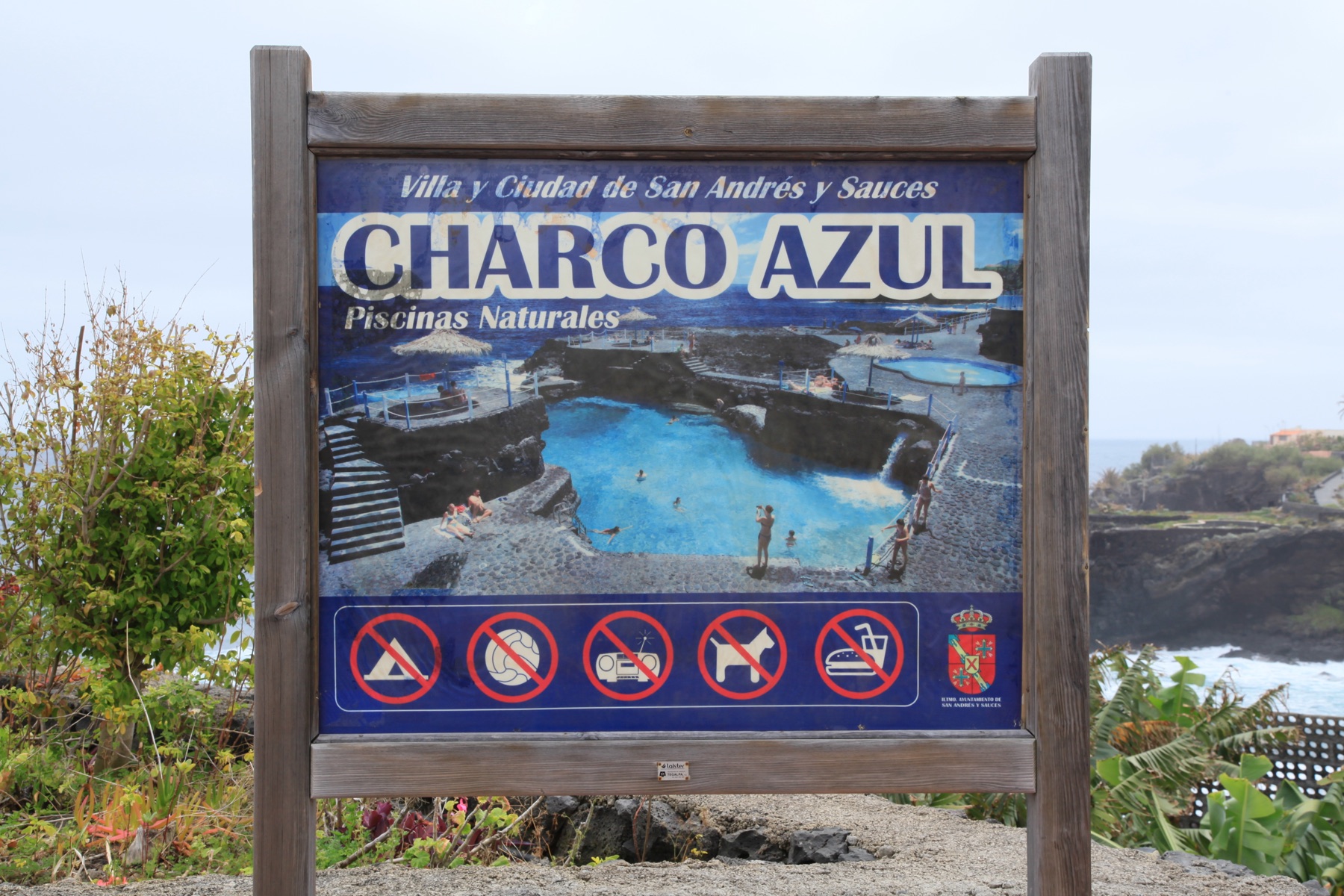
Continue to San Andres y Sauces to visit its pretty historic centre and swim at the Charco Azul, a natural pool complex carved by volcanic lava and topped up by the ocean, with lifeguards and facilities in summer. Then carry on to Barlovento to enjoy the La Fajana natural pools, three sea-fed pools protected from the swell -- ideal for a safe dip when the Atlantic is rough. If you have time, visit the archaeological site of La Zarza y La Zarcita in Garafia, with aboriginal petroglyphs of the Benahoarita people, the island's pre-Hispanic inhabitants. Round things off with lunch in one of the north's rural restaurants -- this is the land of watercress soup, goat stew and the island's own bananas straight from the plantations.
Day 6: The volcanic south and the Route of the Volcanoes
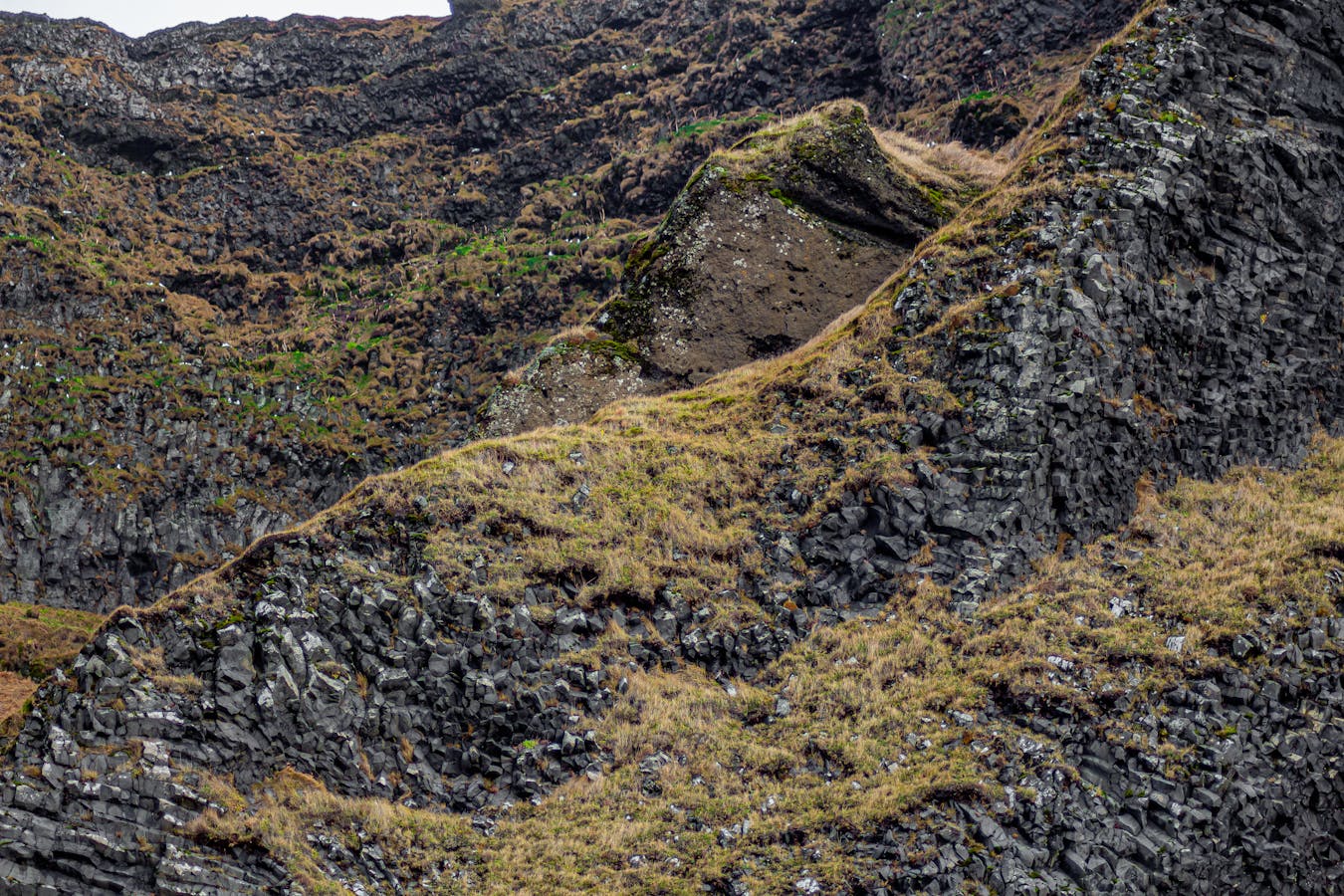
The south of La Palma is a completely different landscape to the north: here volcanoes, black lava and lunar scenery dominate. If you are in good shape, the Ruta de los Volcanes (GR-131) from the Refugio de El Pilar to Los Canarios (Fuencaliente) is one of the best hiking trails in the Canary Islands. It covers roughly 17 km along the volcanic spine of the island, linking craters from various eruptions with views of the ocean on both sides at once. Allow 6-7 hours, start early, and note that it is a linear route -- arrange a taxi or a car at each end, as there is no loop back.
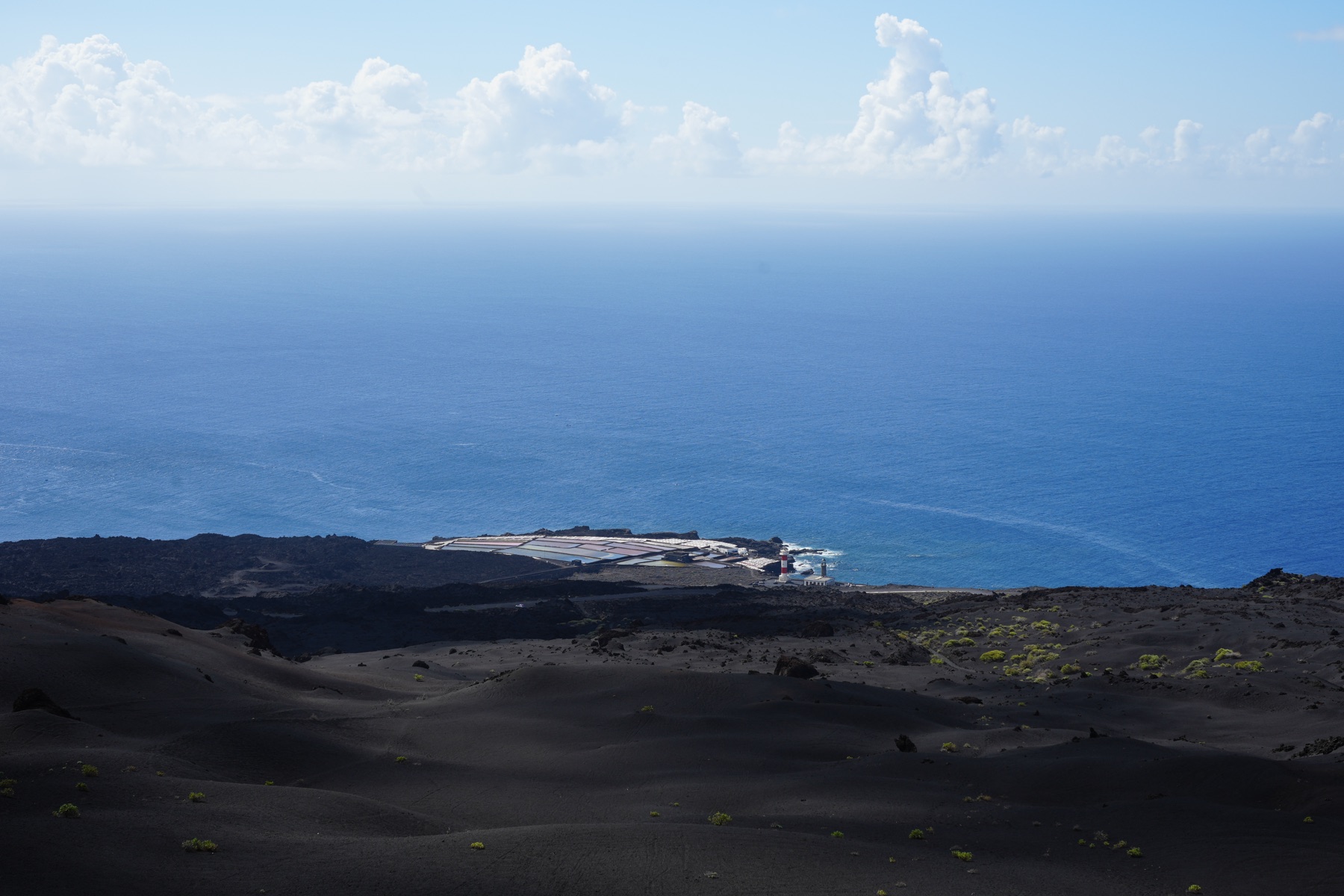
If you prefer a more relaxed day, visit the Salinas de Fuencaliente, where artisanal sea salt is still harvested by hand in a chequerboard of white and ochre pans, with the Teneguia volcano (which last erupted in 1971) as a backdrop. There is a small interpretation centre and a seafood restaurant overlooking the pans. Next to the salinas you will find the Fuencaliente Lighthouse and the young volcanic beaches of the south. You can also walk the short trail up the nearby San Antonio volcano crater. To finish, visit one of the local bodegas and try La Palma's Malvasia wine, grown on volcanic soil and one of the oenological treasures of the Canary Islands -- the sweet Malvasia has been prized in Europe since the 16th century.
Day 7: Valle de Aridane and farewell
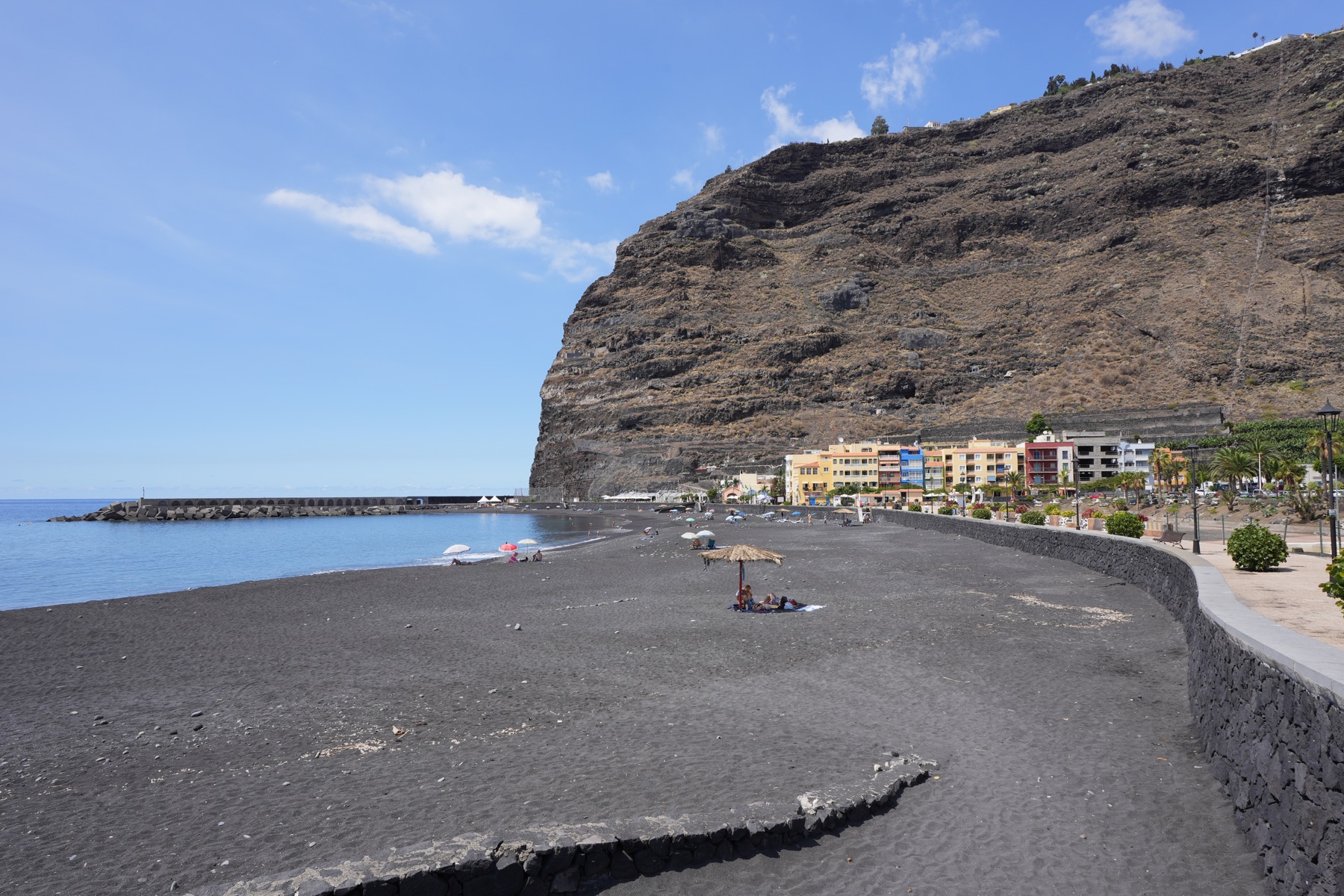
Your final day is perfect for exploring the Valle de Aridane, the heart of the island. Wander around Los Llanos de Aridane, the most populated town in La Palma, with its lovely Plaza de Espana shaded by huge Indian laurel trees, its colourful street-art murals and its shopping streets. Visit the Parque de las Eras to see centuries-old dragon trees, then head down to Tazacorte. Split into the upper town (Villa) and the coastal Puerto de Tazacorte, this is one of the sunniest spots in the Canary Islands and the place to find the best seafood on the island -- try the local prawns (camarones) and the fish of the day at a harbourside terrace.
If you have not had enough adventure, this is your chance to try the Surprise Route: a guided excursion where you do not know where you are going until you arrive. It is an exciting and different way to discover hidden corners of La Palma that do not appear in the guidebooks -- and if there is one experience left on your list, you can still book a last kayak paddle at sunset along the west coast before you fly home.
For your farewell, a final sunset from Puerto de Tazacorte with a local beer or a glass of Malvasia wine as the sun sinks into the Atlantic is the perfect ending to an unforgettable week on the Isla Bonita.
Practical tips for 7 days in La Palma
- Hire a car: It is essential. The roads are good but winding; always allow more time than the sat-nav suggests.
- Accommodation: Los Llanos de Aridane or Santa Cruz are the best bases. Rural houses offer a more authentic experience.
- Bookings: The Mirador de la Cumbrecita, kayak excursions and Observatory visits all require advance booking.
- Best season: Any time of year is good, but spring and autumn offer the best balance between weather and visitor numbers.
- Gastronomy: Do not miss the local cheese, palm honey, almonds and mojos. Each municipality has its own restaurants full of character.
If you have fewer days available, check out our 3-day itinerary for a more condensed version. And remember that the best experiences in La Palma are those that truly connect you with the island: on the water, among volcanoes and beneath a sky full of stars.