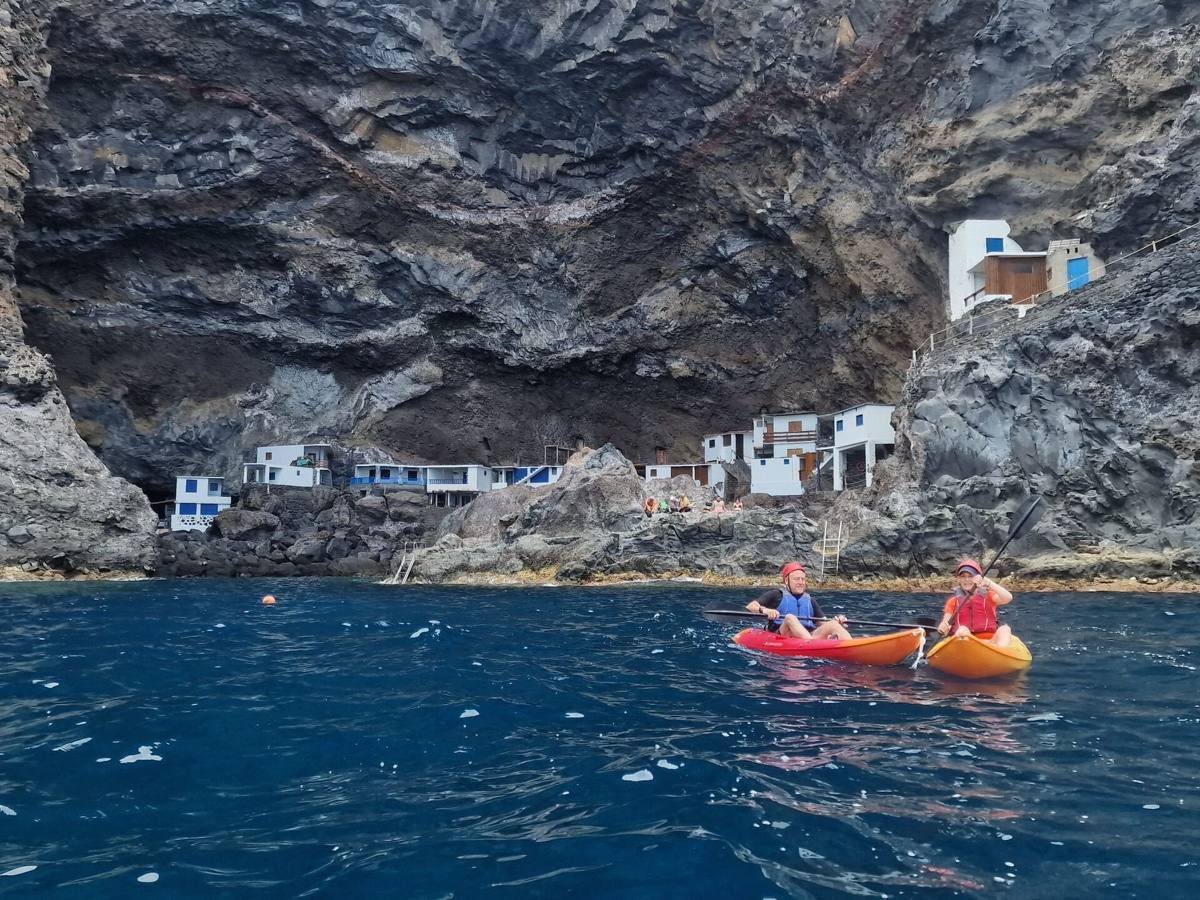
Three days in La Palma are enough to fall in love with the Isla Bonita, although you will almost certainly want to come back. With this complete route you can discover the essentials: the capital, the spectacular west coast with its sea caves, the Caldera de Taburiente, the Roque de los Muchachos and the laurel forests of the north. We suggest a day-by-day itinerary with practical tips so you can make the most of every moment.
🛶 Guided kayak on the west coast of La Palma: our tour from Porís de Candelaria to the Cueva Bonita sea cave — photos included, from age 5; every participant must be able to swim. From €45. Check current dates before planning your visit.
Book your kayak tour →Looking for the big picture of the island? Check out our full guide: what to do in La Palma to plan your trip in detail.
Day 1: Santa Cruz, the west coast and a kayak experience
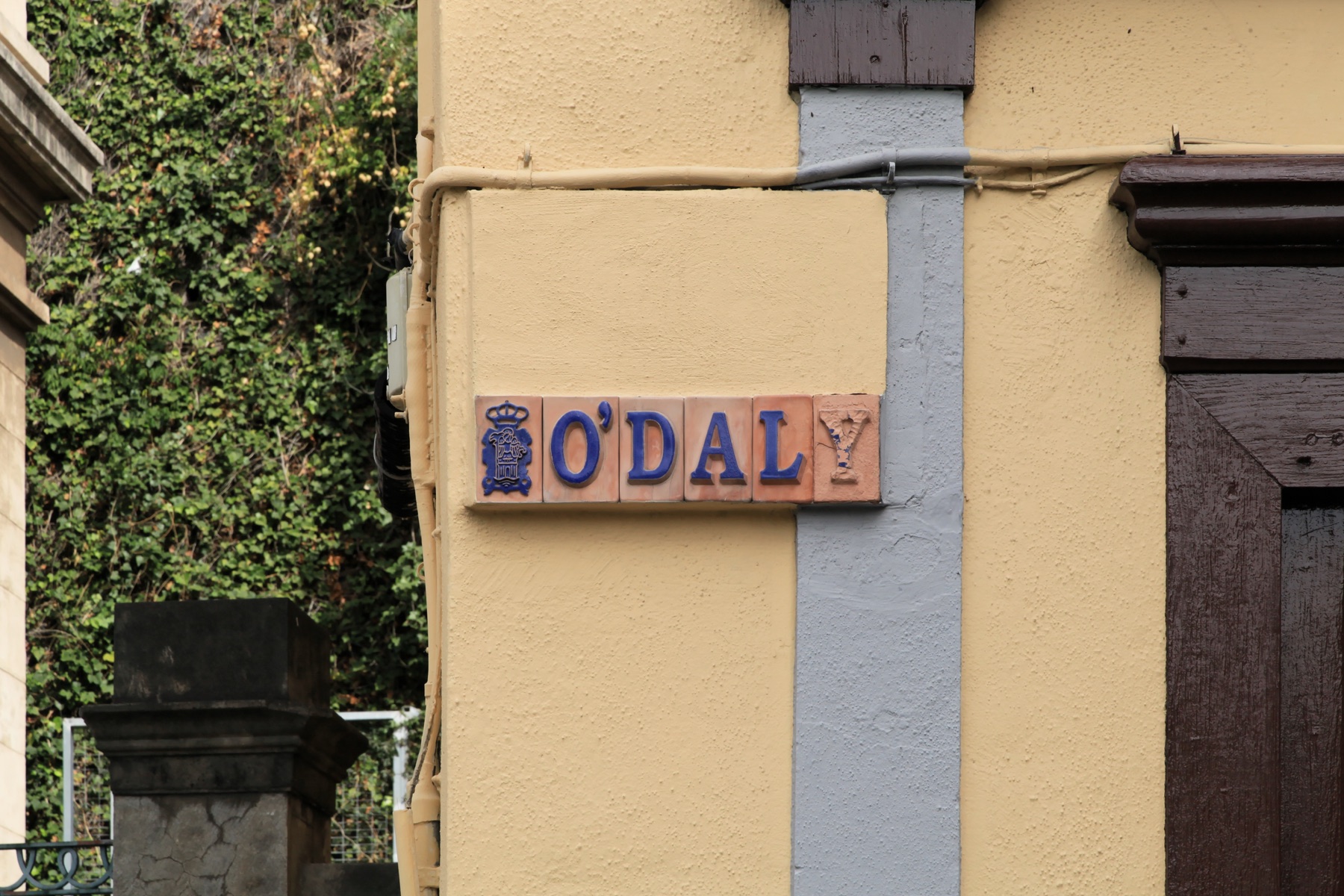
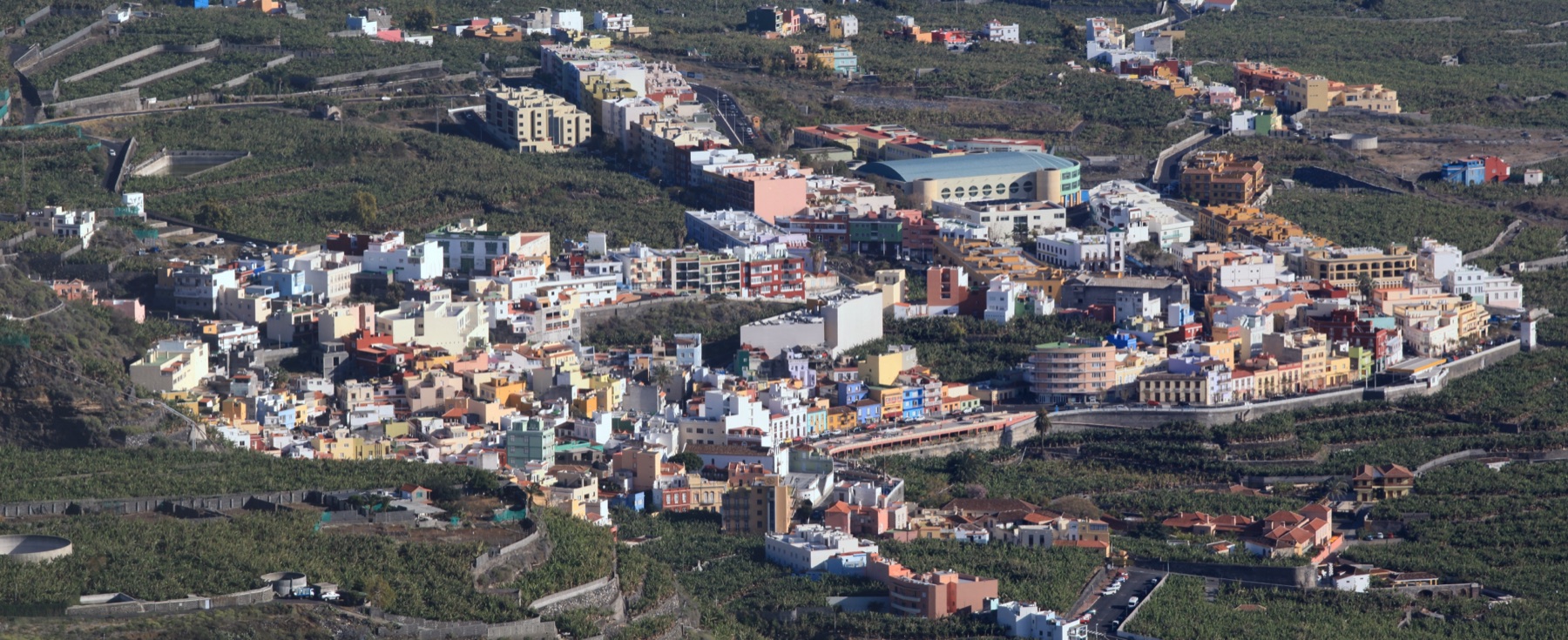
Begin your trip in Santa Cruz de La Palma, the island's capital and one of the best-preserved colonial towns in the Canary Islands. Stroll along Calle Real (Calle O'Daly), one of the prettiest pedestrian streets in the archipelago, with its traditional wooden balconies and colourful merchant houses that date back to the 16th and 17th centuries, when Santa Cruz was one of the most important ports in the Atlantic.
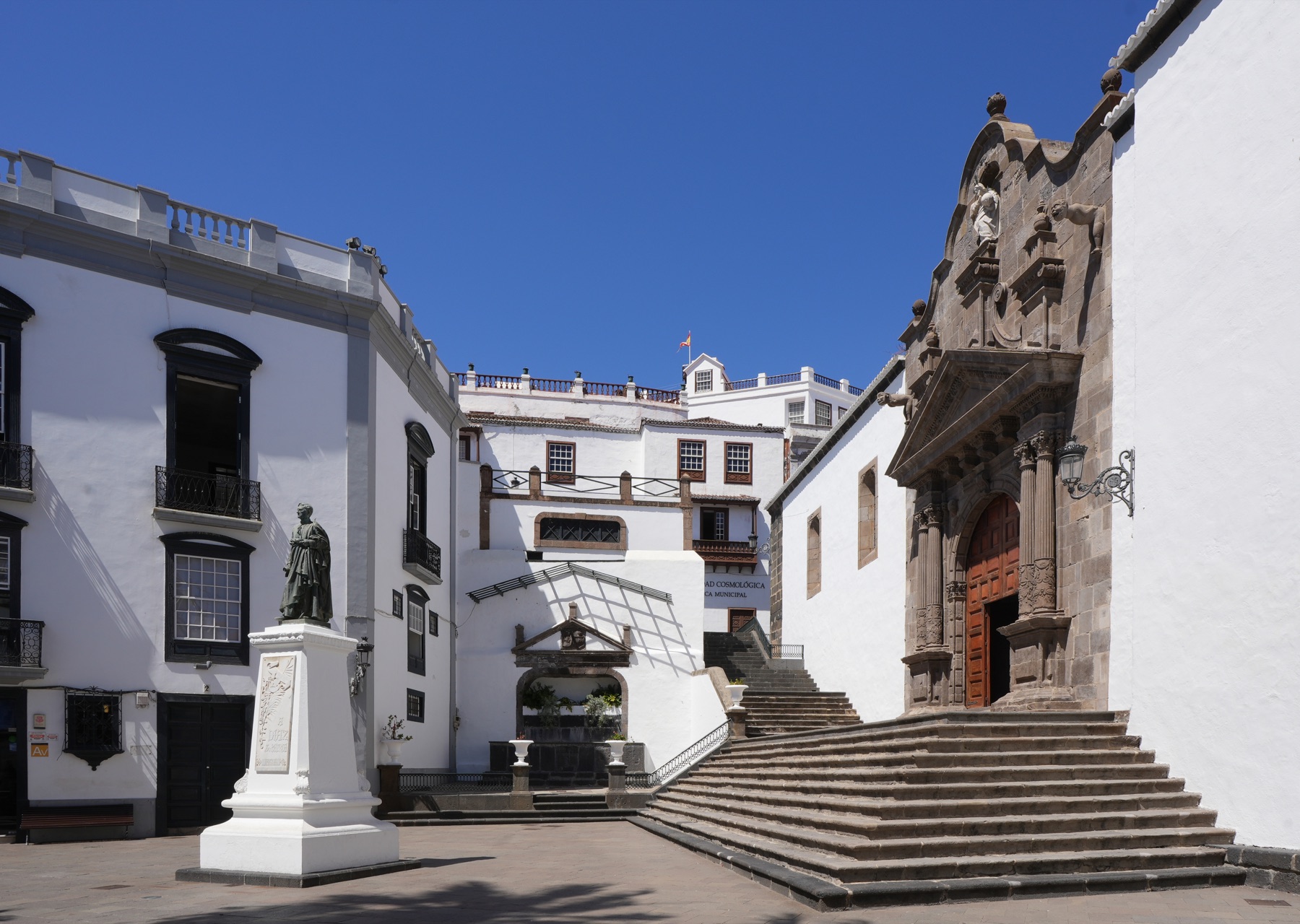
Do not miss the Plaza de España, the historic heart of the city, with the church of El Salvador and the elegant Renaissance town hall. Wander down to the Avenida Marítima to admire the iconic seafront houses with their brightly painted Canarian balconies, and if you are interested in history, the Naval Museum Barco de la Virgen, housed in a full-size replica of Columbus's caravel Santa María, is a quick and fascinating visit. Set aside around two to three hours for a relaxed morning here, and grab a coffee in one of the plazas before heading west.
How to get to the west coast: from Santa Cruz, cross the island via the LP-3 tunnel towards Los Llanos de Aridane (around 35 minutes) and continue on to the coast. The drive is straightforward but scenic, so allow a little extra time for photo stops.
After lunch, head to the west coast for the highlight of the day: a kayak excursion from Porís de Candelaria. This tiny cave village, with its whitewashed houses tucked beneath an enormous overhanging cliff, is already worth a visit in its own right and one of the most photographed hidden corners of La Palma.
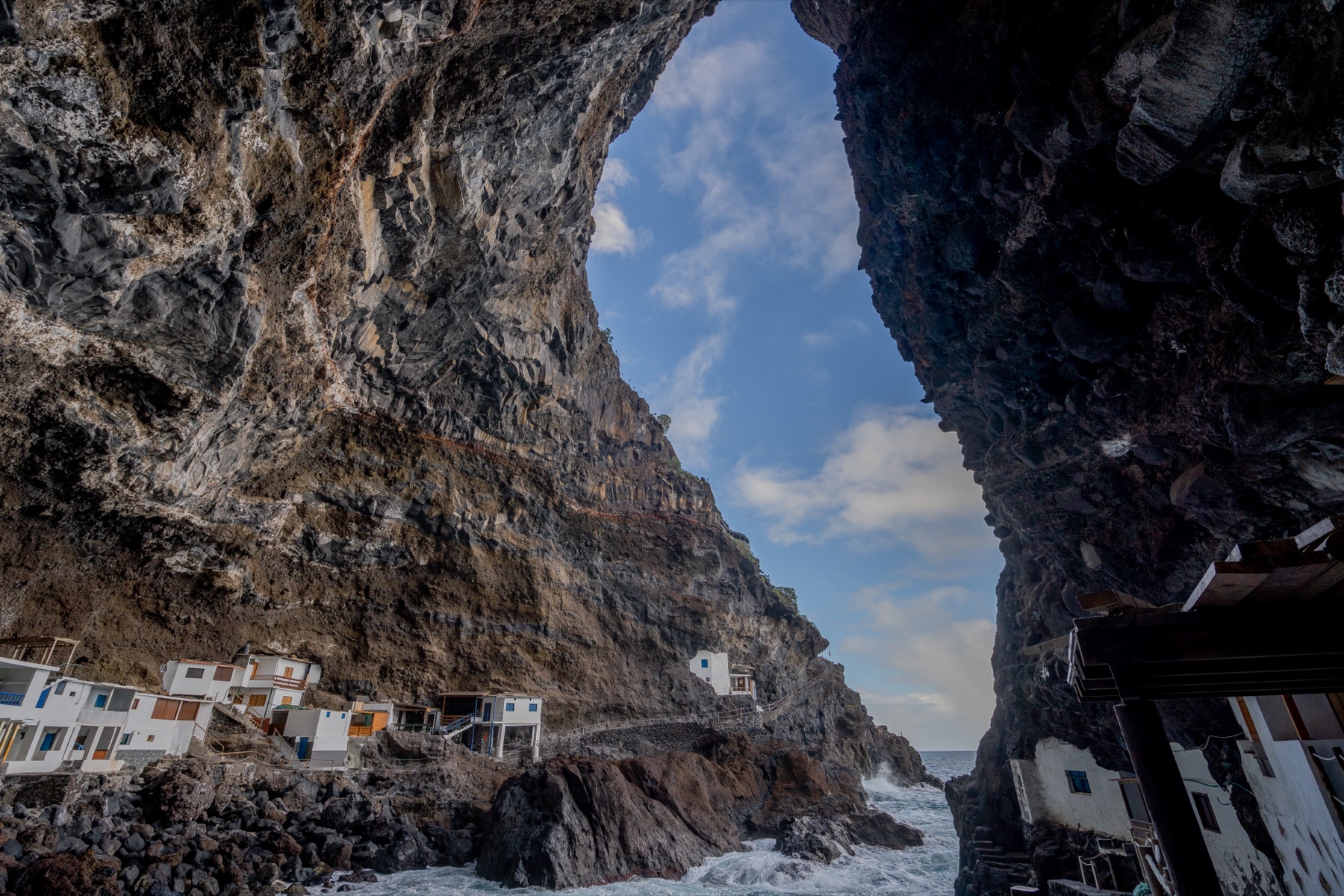
From here you will set off by kayak through crystal-clear waters, paddling along the impressive volcanic cliffs of Tijarafe to reach Cueva Bonita, a large sea cave where the sunlight filters through the water to create mesmerising blue light effects that leave you speechless. It is the kind of place you simply cannot reach on foot, and seeing it from the water is unforgettable. You can check the calendar and book your kayak trip to Cueva Bonita before planning the day.
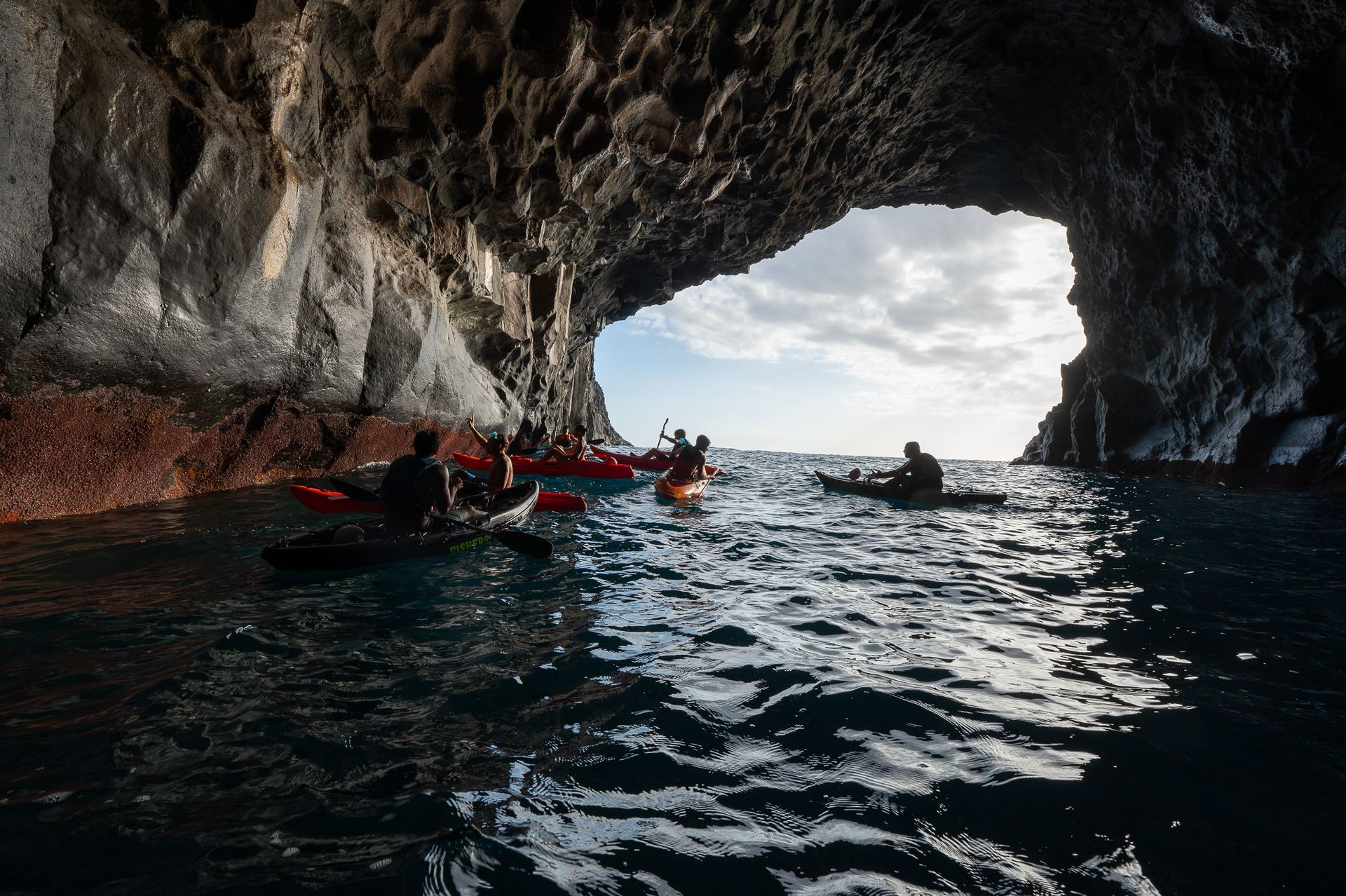
The excursion lasts approximately 2.5 to 3 hours and is suitable for all levels, with no previous experience required. Groups are small, life jackets and all equipment are provided, and the local La Palma guides know every corner of this coast. It is, without a doubt, one of the most memorable experiences you can have on the island.
To round off the day, stay to watch the sunset from Tijarafe or from the Mirador del Time, a dramatic viewpoint perched high above the Valle de Aridane and the mouth of the Barranco de las Angustias. The sunsets on the west coast of La Palma, with the sun sinking straight into the Atlantic, are among the most spectacular in the Canary Islands.
Day 2: Caldera de Taburiente and Roque de los Muchachos
The second day is dedicated to the mountainous interior of the island. The Caldera de Taburiente is La Palma's National Park and one of the most impressive landscapes in the Canary Islands: an enormous erosion crater nearly 10 km in diameter surrounded by walls that exceed 2,000 metres in height and are cloaked in dense Canary pine forest.
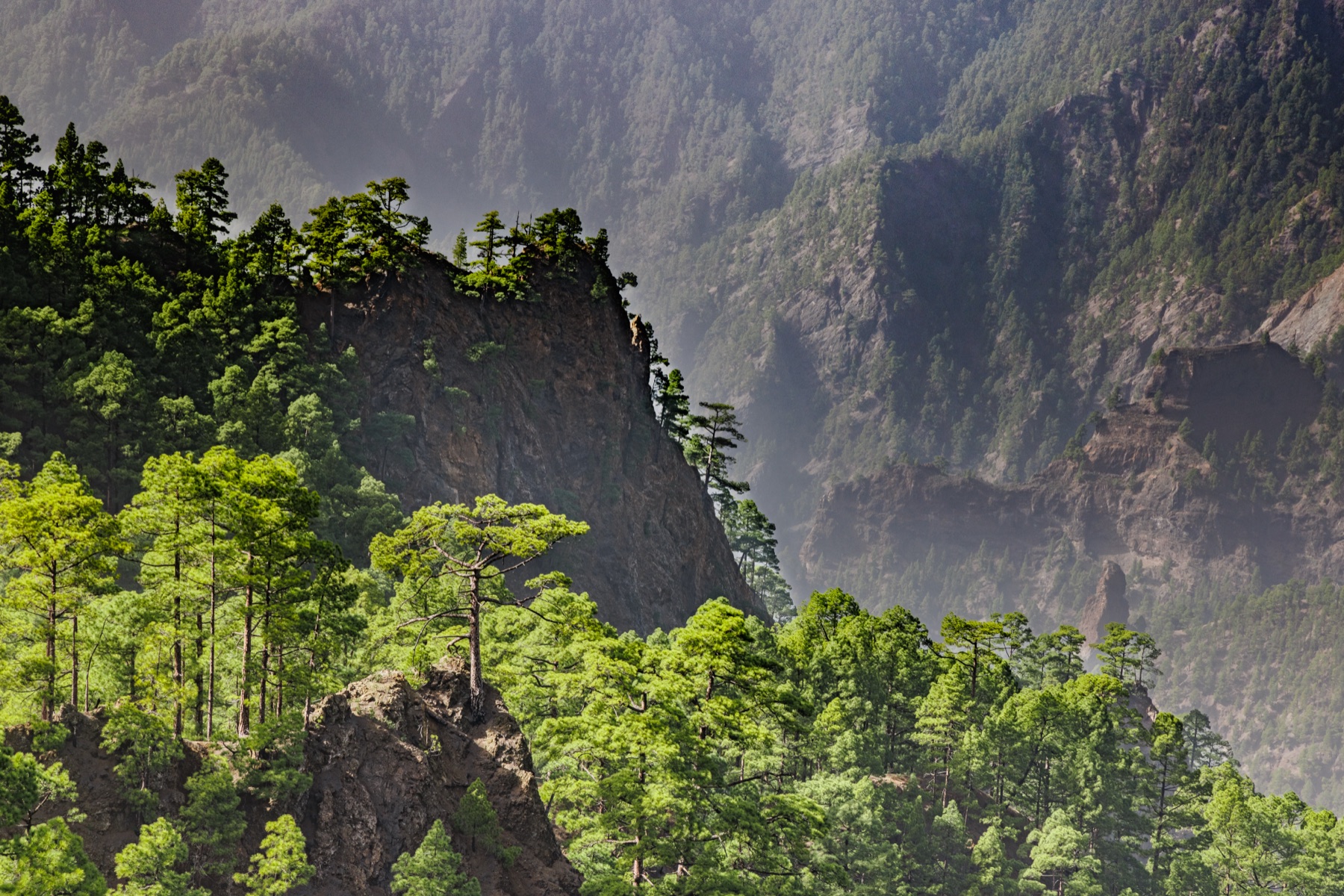
The easy option — Mirador de la Cumbrecita: if you prefer something gentle, this viewpoint offers jaw-dropping panoramic views over the entire crater, the Roque Idafe and the pine forests, with only short, flat walking paths. Important: access by car requires an advance parking booking through the National Park website (reservasparquesnacionales.es), as the small car park fills up daily. Allow around 1.5–2 hours here.
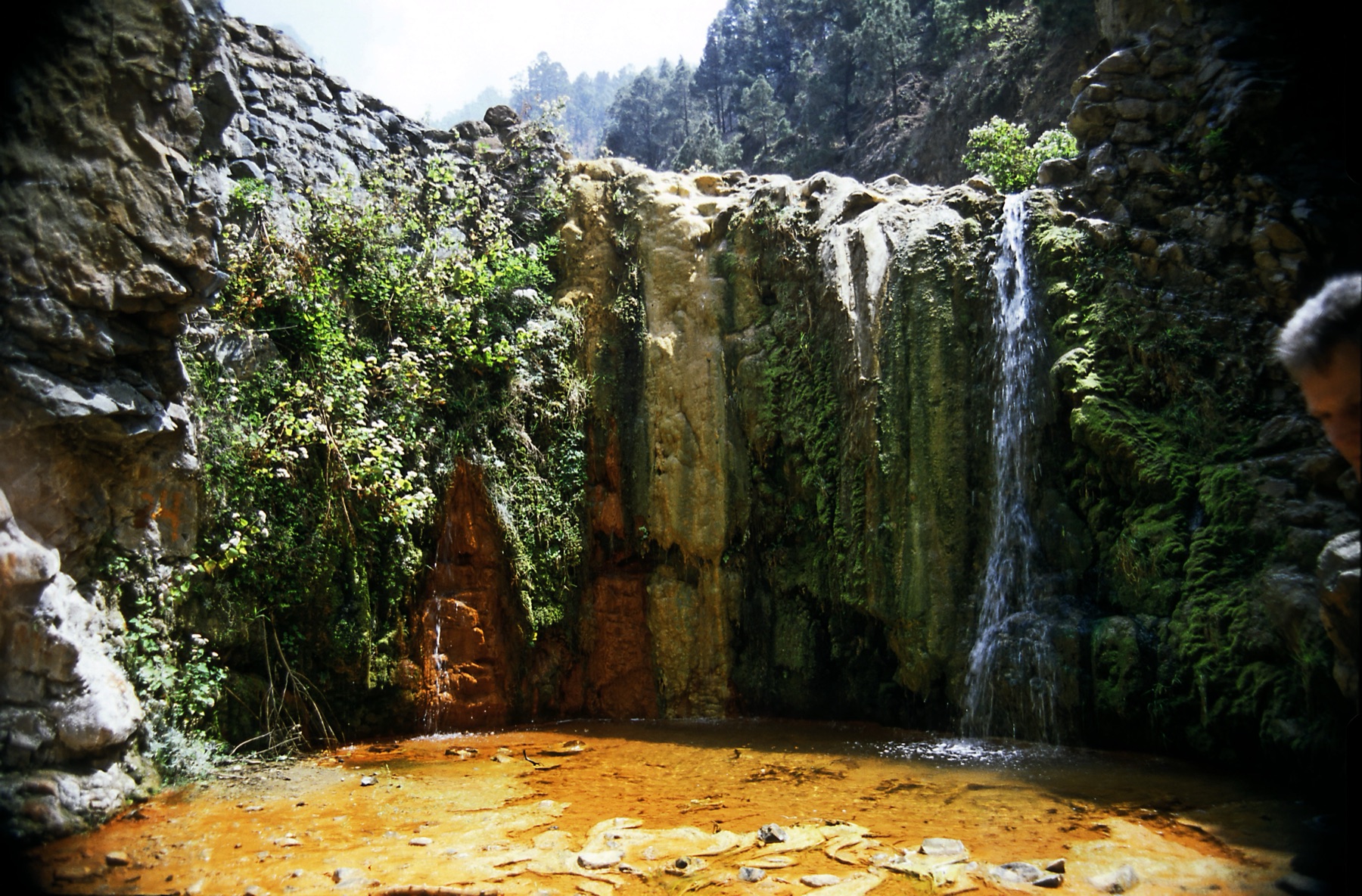
The hiker's option — Cascada de Colores: if you enjoy walking, take the trail that descends into the interior of the Caldera from the Barranco de las Angustias to the Cascada de Colores (Waterfall of Colours), where waters stained ochre, orange and green by iron minerals create a unique chromatic spectacle. This route requires a moderate level of fitness and takes around 5–6 hours return, so bring plenty of water, sun protection and a packed lunch. Sturdy footwear is essential. If a full-day trek in the crater sounds tempting, our guided hiking experiences take the logistics off your hands.
In the afternoon, drive up to the Roque de los Muchachos, the highest point on La Palma at 2,426 metres. The road up is winding and climbs steadily, so allow around an hour from the Valle de Aridane. At the top you will find the Observatorio del Roque de los Muchachos, home to some of the largest telescopes on Earth, including the Gran Telescopio Canarias. From the summit the views are breathtaking: on clear days you can make out Tenerife, La Gomera and El Hierro on the horizon.
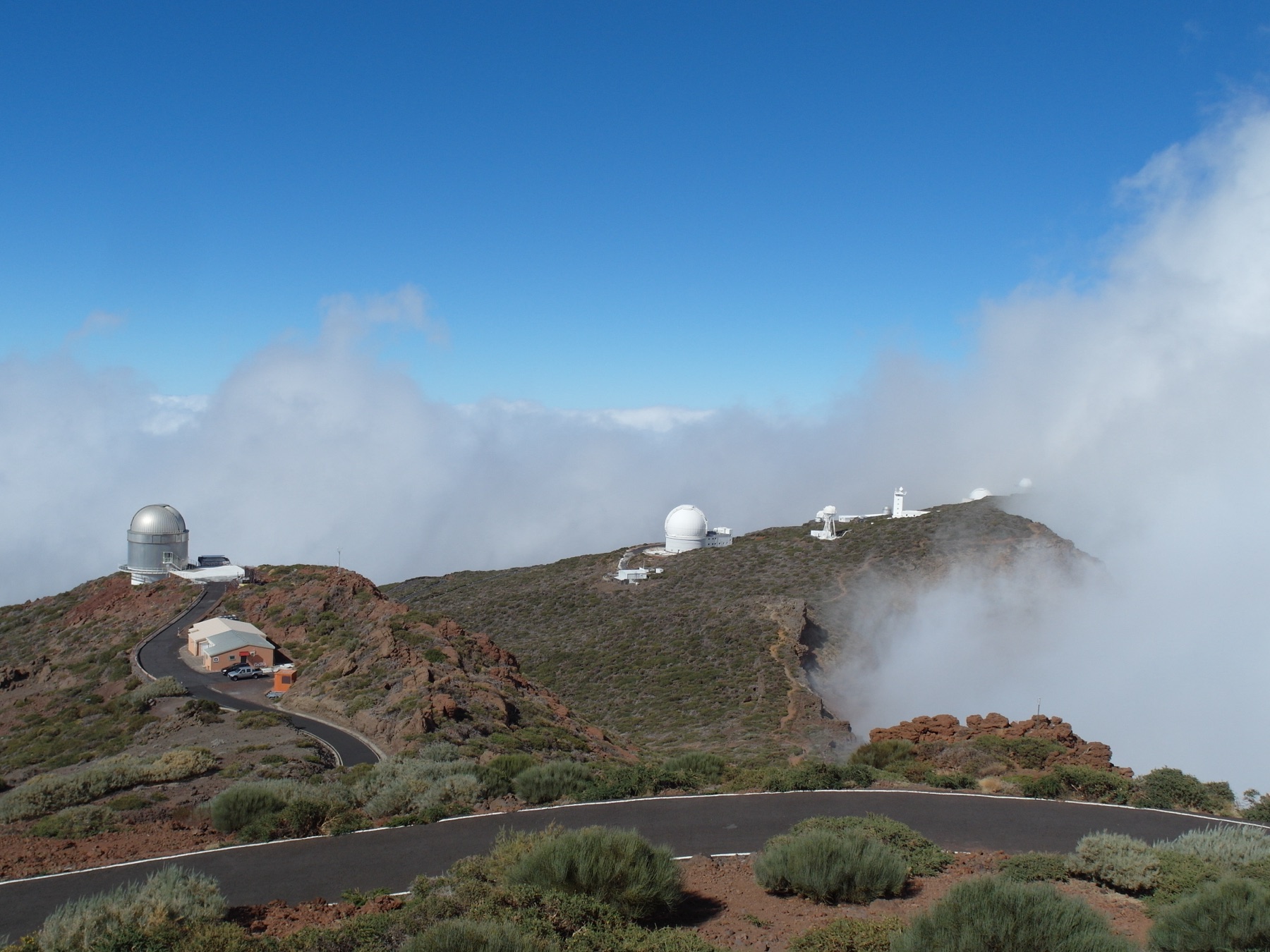
As evening falls, the mar de nubes (sea of clouds) that forms beneath your feet, glowing orange at sunset, is an unforgettable natural spectacle. Wrap up warm: temperatures at the summit can drop close to freezing even in summer, and there is no shelter or café up there.
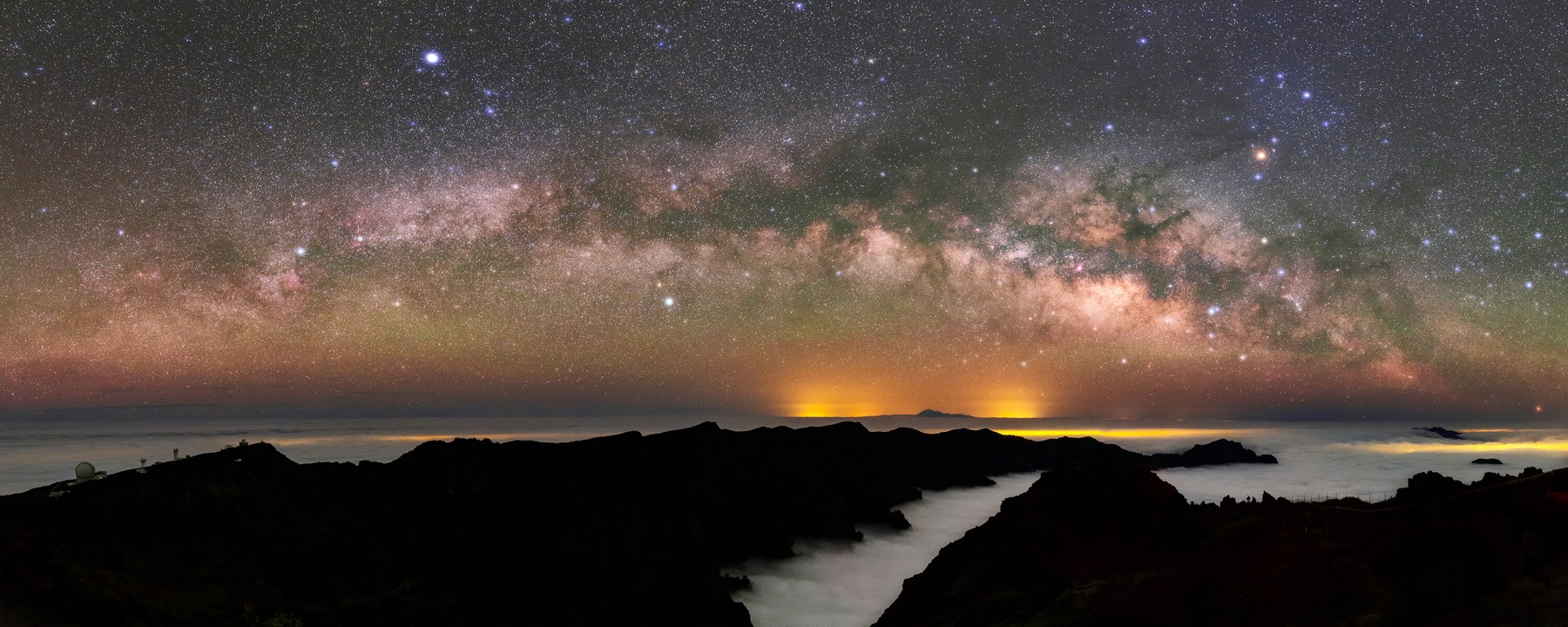
If you book in advance, you can complete the day with a stargazing session. La Palma is a certified Starlight Reserve and one of the best places on the planet for astronomy, and from the summits the Milky Way can be seen with astonishing clarity, often with the naked eye.
Day 3: The green north of La Palma
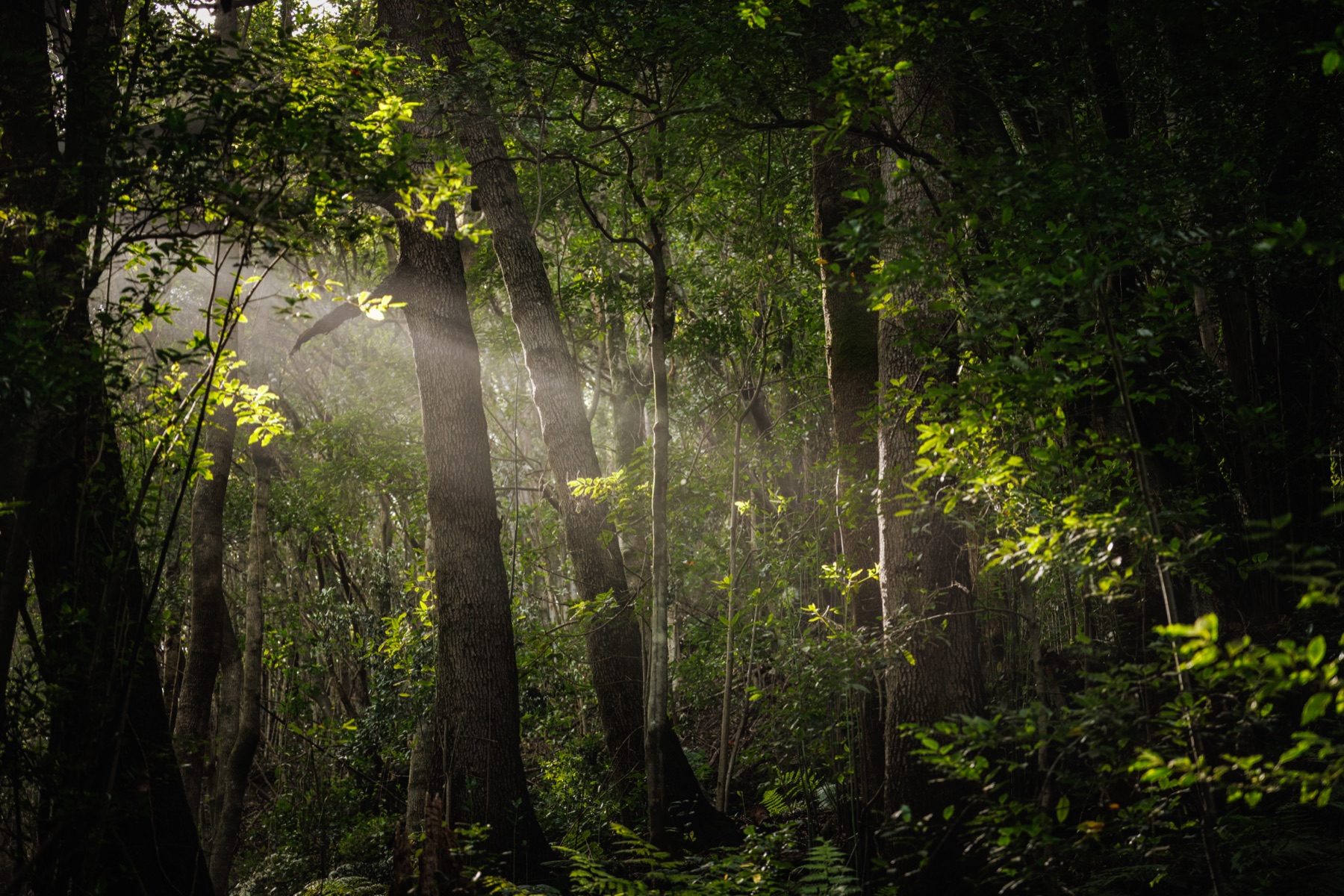
Your third day takes you to the north of the island, the greenest and most lush area of La Palma. Start at Los Tilos, part of a UNESCO Biosphere Reserve, where you will find one of the best-preserved laurel forests (laurisilva) in the world. This prehistoric woodland, which once covered much of southern Europe millions of years ago, survives here thanks to the humid microclimate created by the trade winds and the sea of clouds.
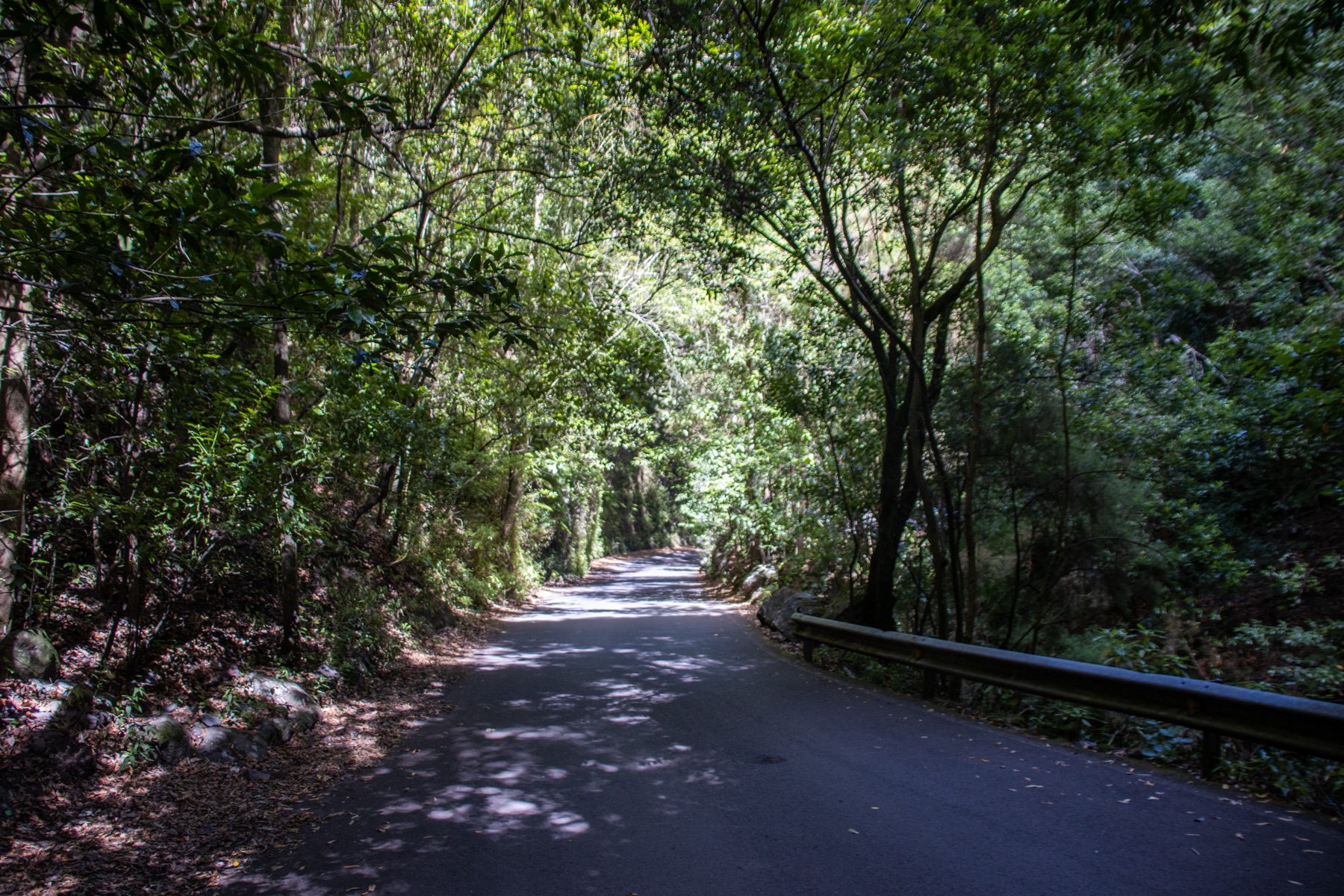
The Cubo de la Galga trail is a perfect choice for all fitness levels: a circular walk of around 2–2.5 hours through giant ferns, moss-draped trees and dramatic ravines that feel like something out of a fairy tale. Start early, as the forest is quieter and the light filtering through the canopy is at its most magical in the morning. Bring a light waterproof, since it can be damp and misty even on sunny days.
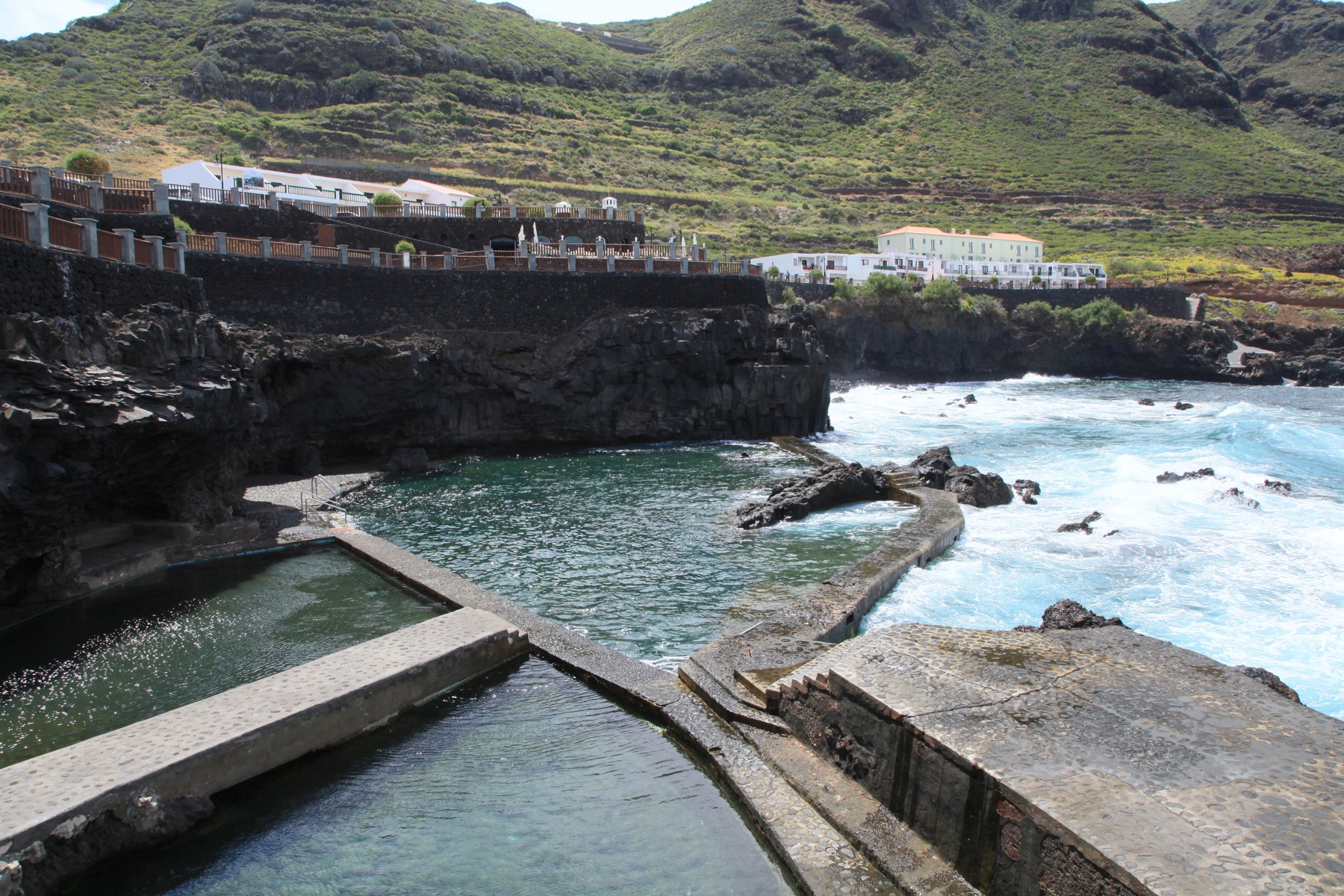
Continue to San Andrés y Sauces, a municipality that combines historical heritage with nature. Visit the pretty historic centre of San Andrés, with its 16th-century church and cobbled streets, and then head down to the Charco Azul, one of the most beautiful natural swimming pools in the Canary Islands. Formed by volcanic lava and refreshed by the ocean, with safe access ladders and platforms, it is the perfect spot for a dip surrounded by spectacular scenery.
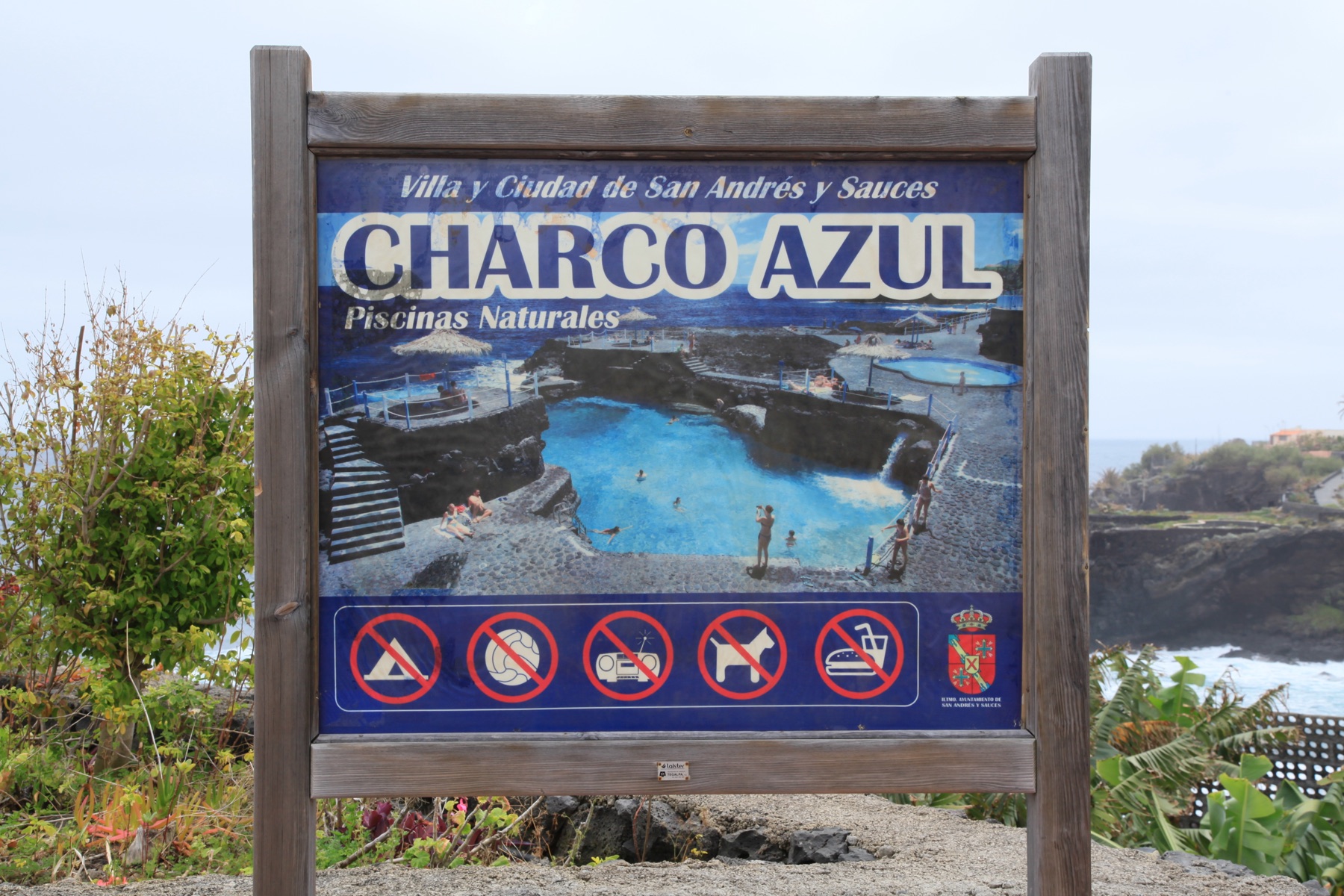
For lunch, take the opportunity to try the local cuisine at one of the area's family-run restaurants: papas arrugadas (wrinkly potatoes) with red and green mojo sauce, grilled Palmero goat's cheese, fresh fish of the day and a glass of local Malvasía wine. Canarian cuisine from La Palma is simple but bursting with flavour, and the northern villages are among the best places to enjoy it away from the crowds.

If you have time to spare, head further along the coast to Barlovento and its natural pools at La Fajana, three seawater pools carved into the lava with views straight out to the Atlantic, or continue to the remote village of Garafía to see centuries-old dragon trees and the archaeological site of La Zarza with its aboriginal petroglyphs.
Practical tips for 3 days in La Palma
- Hire a car: It is essential for getting around the island. The distances are not great, but the roads are winding and journey times are longer than they appear on the map.
- Book in advance: Both parking access to the Cumbrecita viewpoint and kayak excursions require advance booking, especially during peak season. You can reserve your small-group kayak outing here in just a couple of minutes.
- Dress in layers: The temperature is pleasant year-round on the coast, but it can be very cold at the summits, even in summer.
- Start early: Mornings tend to be clearer, especially at higher altitudes. The sunsets from the west coast are unmissable.
- Proper footwear: If you plan to go hiking, wear boots or trekking shoes. Volcanic trails can be slippery.
Three days offer plenty of time in La Palma, but if you have the chance to stay longer, check out our 7-day itinerary to discover even more corners of the island. And if you are looking for a different experience that combines adventure and nature, the highlight of any trip is paddling the west coast: book your guided kayak experience to Cueva Bonita and see the wildest coast in the Canary Islands from the water.