Gastronomy
Volcanic flavours and Canarian culinary tradition. Discover the dishes, wines and products that make La Palma a unique gastronomic destination.
Planning your trip? Don't miss our Full guide: what to do in La Palma to pair food with nature, hiking and stargazing.
Palmero mojo: the sauce that defines an island
Red or green, spicy or mild, mojo is much more than a side sauce. It is the gastronomic identity of the Canary Islands concentrated in a volcanic stone mortar.
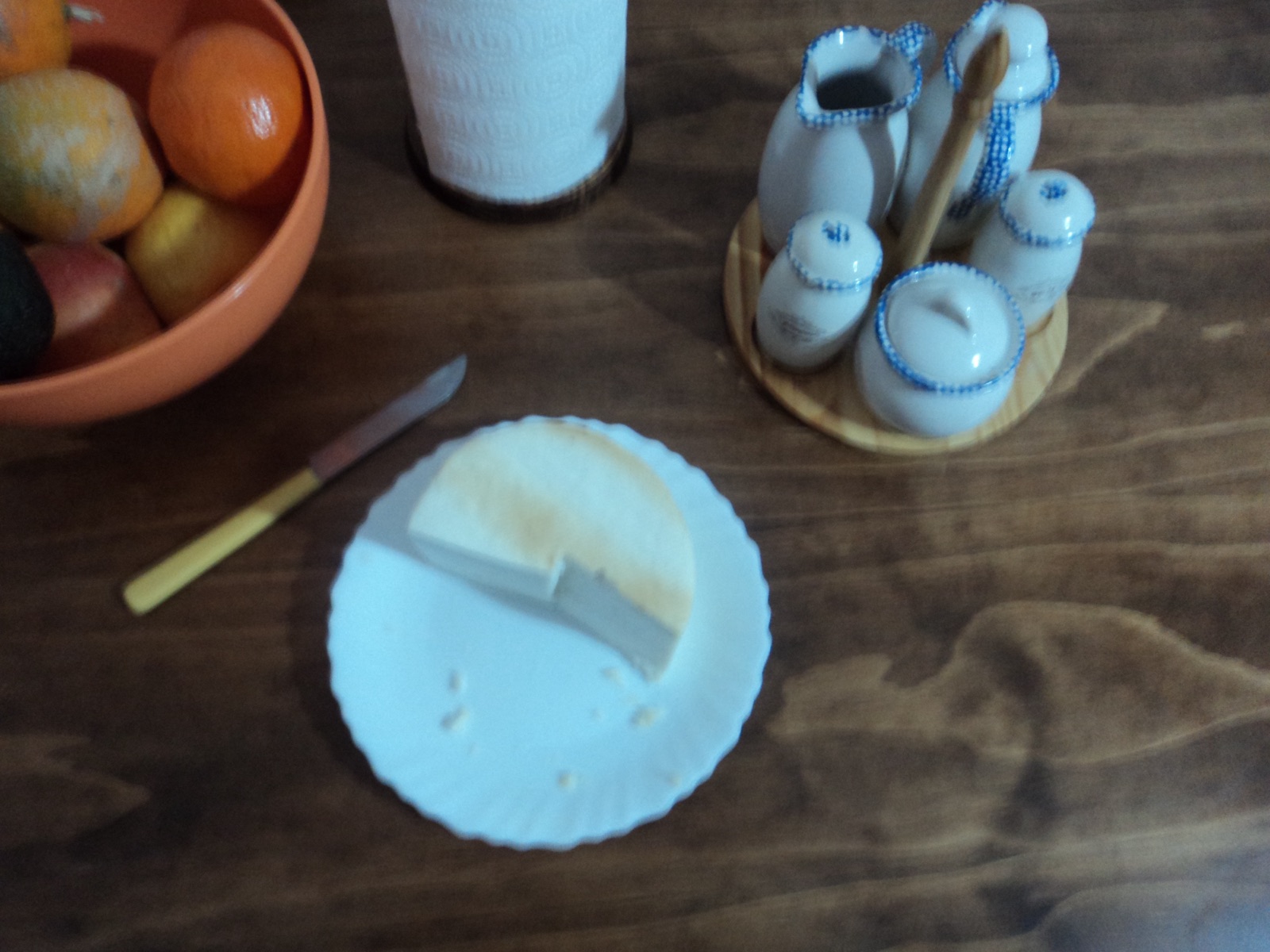
Palmero PDO Cheese: tradition in every bite
Made with Palmera goat's milk and smoked with almond shell, pine or fig wood, Palmero cheese is a gastronomic treasure with Protected Designation of Origin.
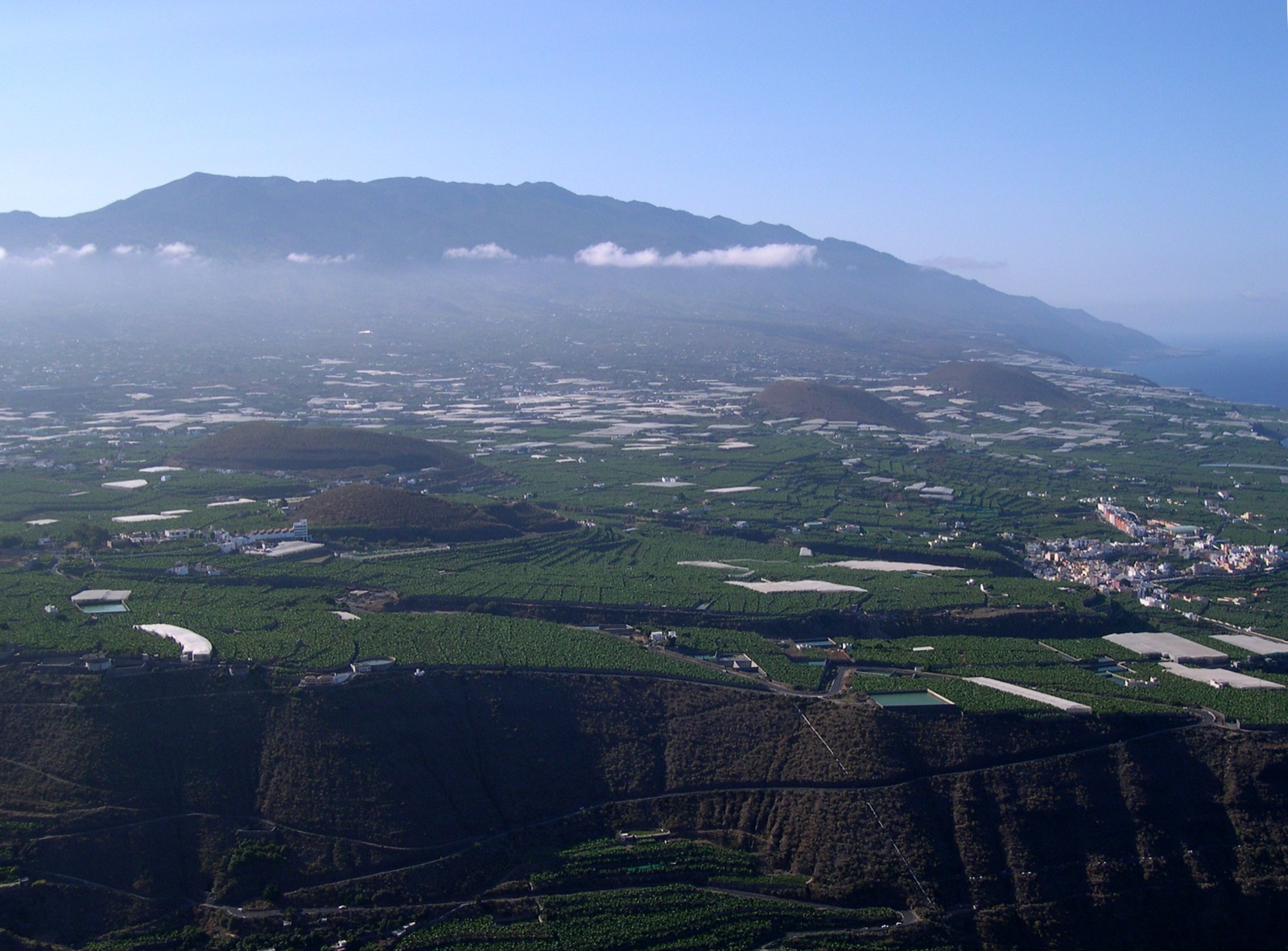
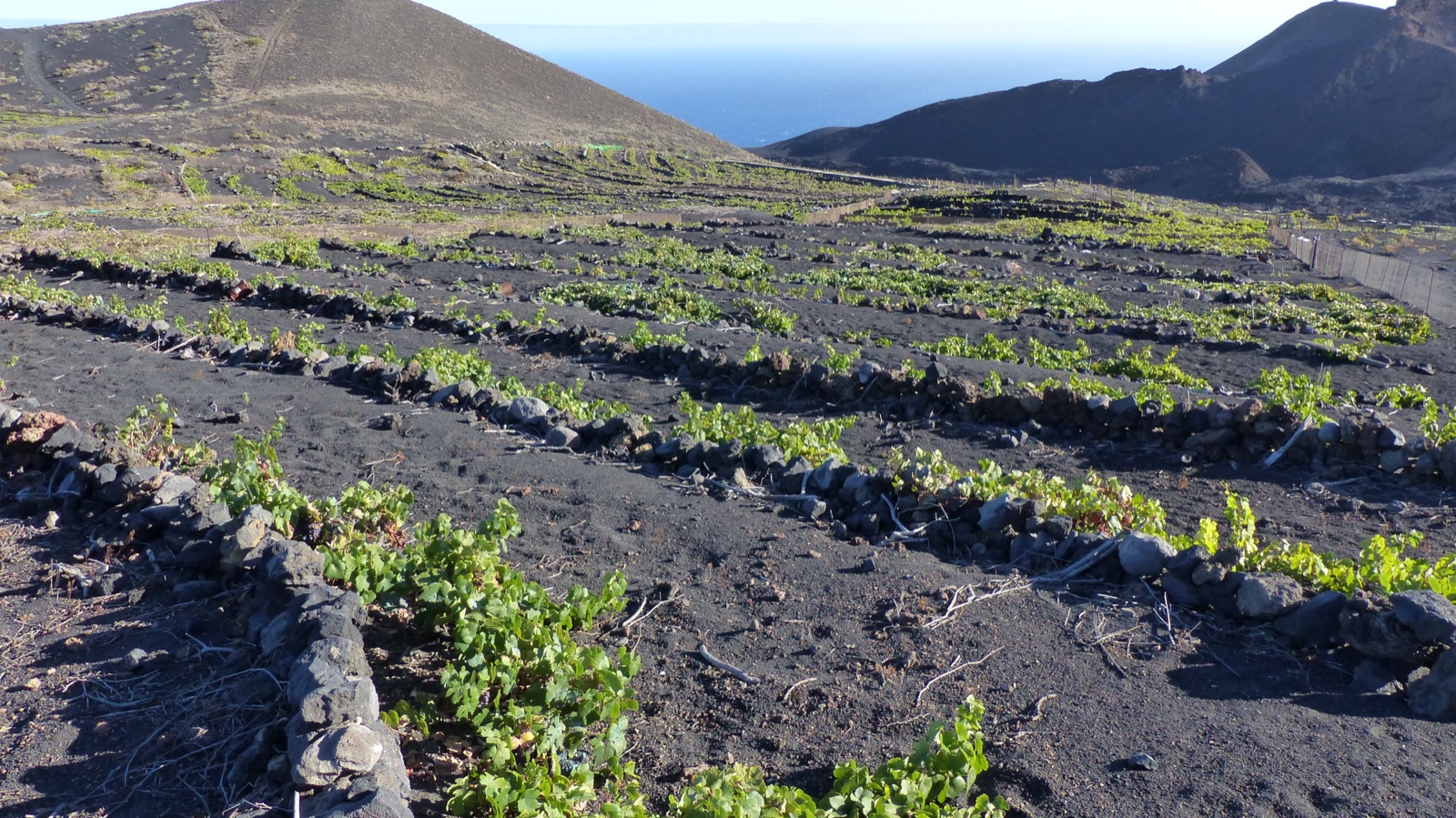
Wines of La Palma: from volcanic vineyard to glass
La Palma's vineyards grow in volcanic soils at altitudes that defy logic. Malvasia, Listan, Negramoll... wines with Atlantic character and a fiery soul.
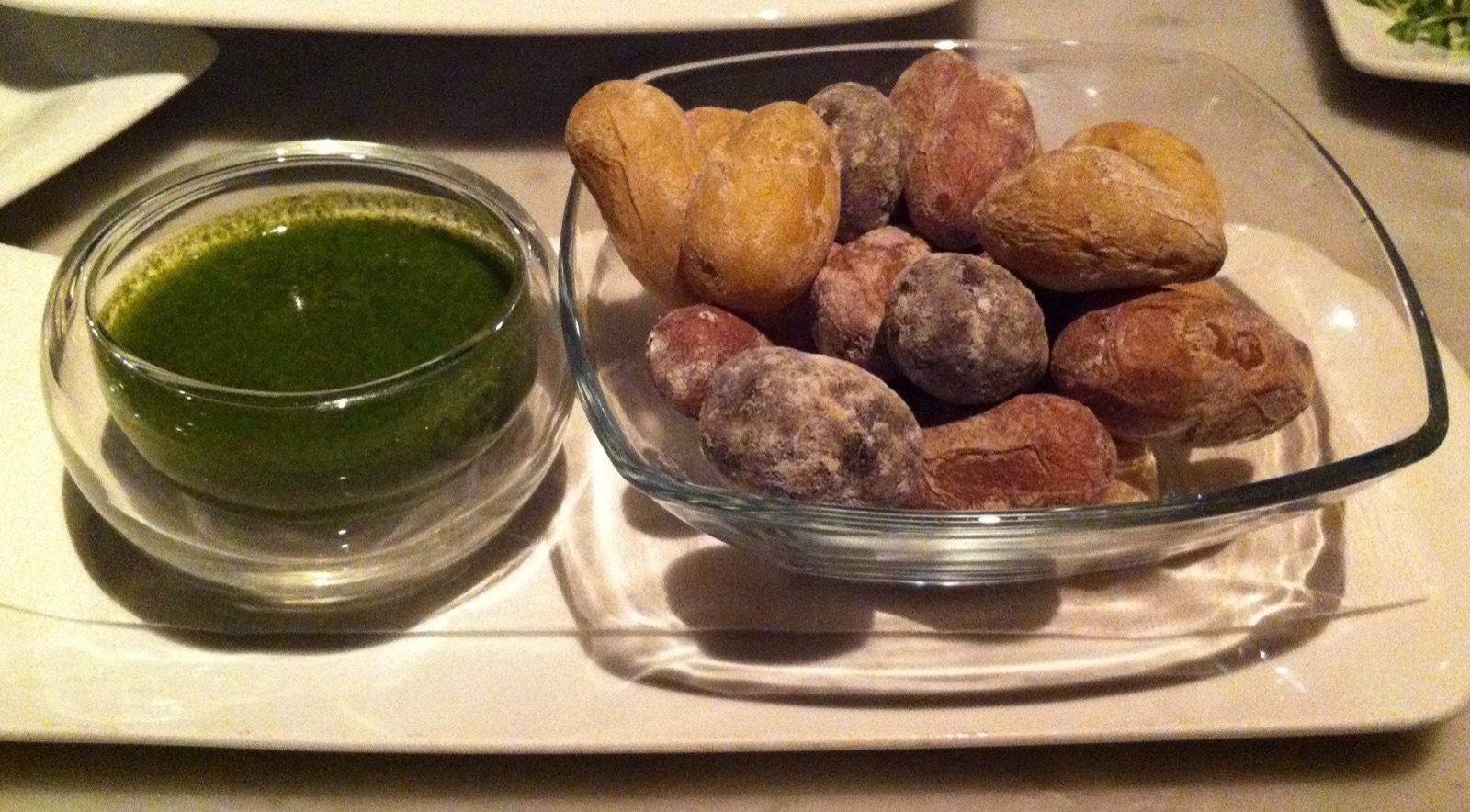
Gofio and papas arrugadas: the Canarian table
No Canarian table is complete without papas arrugadas with mojo or kneaded gofio. Two humble foods that form the foundation of a centuries-old cuisine, born from volcanic soil and the ingenuity of the islanders.
Honey rum and coffee liqueur: after-dinner flavours
The Canarian after-dinner has a name: sweet and smooth honey rum, intense and aromatic coffee liqueur. Two artisan spirits that distil the tradition and good living of La Palma in every sip.
Frequently asked questions about La Palma's cuisine
Where can I try authentic palmero mojo and papas arrugadas?
You'll find palmero mojo and papas arrugadas in guachinches and restaurants across the island, especially in towns like Los Llanos de Aridane, Santa Cruz de La Palma and El Paso. On our outings with local palmero guides we point you to the trusted spots where islanders themselves eat.
When is the best time for wine tourism in La Palma?
The grape harvest runs from July to September and is the liveliest time in the wineries, but visits and tastings of malvasía, listán and negramoll wines are available year-round. Spring and autumn offer an ideal climate to combine food and nature.
Can I take palmero PDO cheese home with me?
Yes. Palmero cheese with Protected Designation of Origin, smoked with almond shell, pine or fig wood, keeps well and makes an excellent edible souvenir. It is sold at cheese shops and local markets; cured varieties travel better than fresh ones.