At 2,426 metres above sea level, at the highest point of La Palma, stands one of the most important astronomical observatories in the northern hemisphere. The Roque de los Muchachos Observatory is not just a world-class scientific facility: it is also one of the most awe-inspiring viewpoints in the Canary Islands, a place where the Earth seems to touch the sky and the clouds stretch beneath your feet like a white ocean.
If you are planning your visit to La Palma, the Roque de los Muchachos should be at the very top of your list, quite literally.
The ascent: a road above the clouds
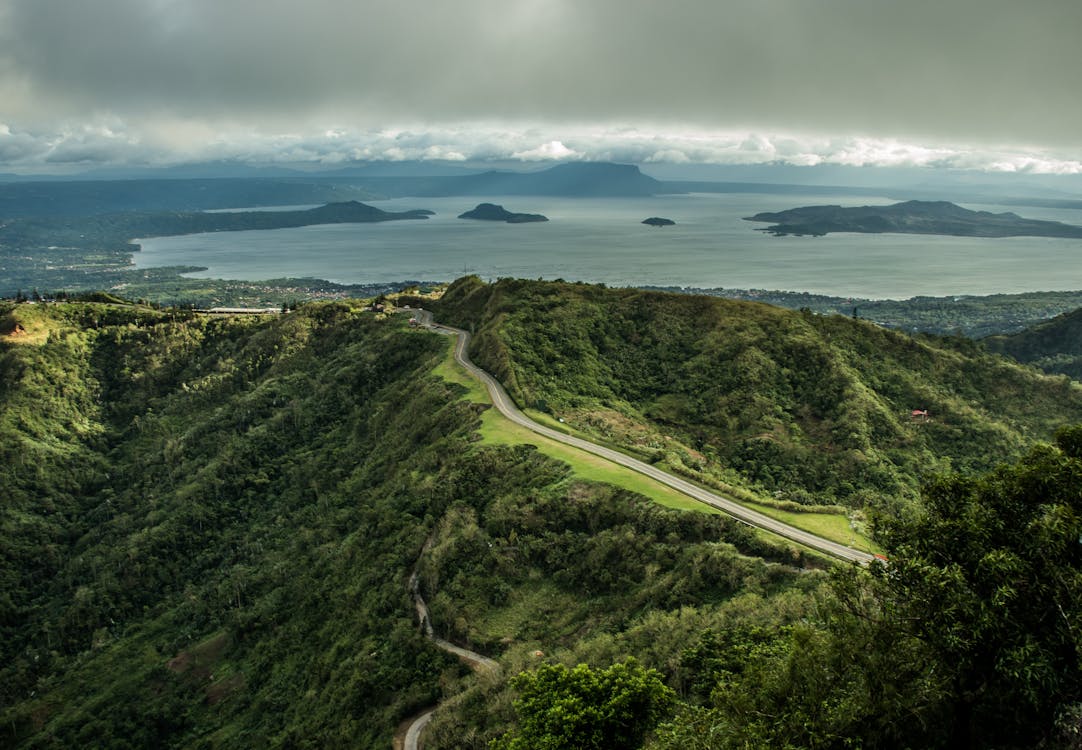
Getting to the Roque de los Muchachos is already an experience in itself. The LP-4 road winds from Santa Cruz de La Palma (or from Los Llanos on the western side) for about 40 minutes of bends that steadily gain altitude. As you climb, the landscape changes dramatically: from banana plantations and the tropical coast to Canary Island pine forests, and finally to a lunar landscape of bare rock where only broom and codeso shrubs grow.
The most spectacular moment usually occurs around 1,800 metres, when you pass through the cloud layer. One second you are wrapped in fog, and the next you emerge into a flawless blue sky with a sea of clouds stretching as far as the eye can see. It is a magical instant that never fails to amaze, no matter how many times you experience it.
The observatory: telescopes gazing at the universe
The Roque de los Muchachos Observatory (ORM) houses one of the largest concentrations of telescopes in the world. Managed by the Instituto de Astrofisica de Canarias (IAC), it has facilities from more than 60 institutions across 20 different countries. Among its most notable telescopes are:
- Gran Telescopio Canarias (GTC): With a 10.4-metre diameter mirror, it is the largest optical-infrared telescope in the world. Its construction cost over 130 million euros.
- William Herschel Telescope (WHT): With a 4.2-metre aperture, it was for years the largest in Europe.
- MAGIC: Two twin 17-metre diameter telescopes that detect ultra-high-energy gamma rays from the far reaches of the universe.
- LST-1: The Large-Sized Telescope, the first of the future CTA (Cherenkov Telescope Array) observatory, with a 23-metre mirror.
Guided tours of the observatory take place during the day and allow you to get close to several telescopes, learn how they work, and understand why La Palma is one of the three best places on the planet for astronomical observation (along with Hawaii and the Atacama Desert in Chile).
Practical information for your visit
- Guided tours: Available Monday to Saturday during summer (June to September) and on selected days the rest of the year. Duration: 2.5-3 hours.
- Bookings: Required and well in advance. Places sell out weeks ahead, especially in July and August. Book through the IAC website.
- Price: Approximately 15 EUR per adult.
- Languages: Tours are offered in Spanish and English.
- What to bring: Warm clothing (at 2,400 m the temperature can be 15-20 degrees lower than at the coast), comfortable footwear, water, and sun protection.
- Free access to the viewpoint: The Roque de los Muchachos viewpoint is open all year round and requires no booking or payment. It is only closed in case of snow or adverse weather conditions.
The viewpoint: the highest balcony in the Canary Islands
Even if you do not visit the observatory, it is well worth going up to the Roque de los Muchachos viewpoint. From here, the view encompasses the Caldera de Taburiente in all its extent, a natural amphitheatre 8 km in diameter and 1,500 metres deep, covered in laurel and Canary Island pine forest. On the other side, on clear days, you can see every island in the Canary archipelago: Tenerife with Mount Teide, La Gomera, El Hierro, and even Gran Canaria.
Sunset from the viewpoint is a spectacle in itself. The sun sinks into the sea of clouds, painting everything in orange and pink, while the triangular shadow of La Palma is projected onto the clouds towards the east. It is one of those phenomena that can only be seen from the summits of the high Atlantic islands.
La Palma, Starlight Reserve
La Palma was the first Starlight Reserve in the world, a certification that recognises the exceptional quality of its night skies. Thanks to the Sky Law (passed in 1988), light pollution on the island is strictly regulated: streetlights are directed downward, excessive ornamental lighting is prohibited, and lighting schedules are controlled.
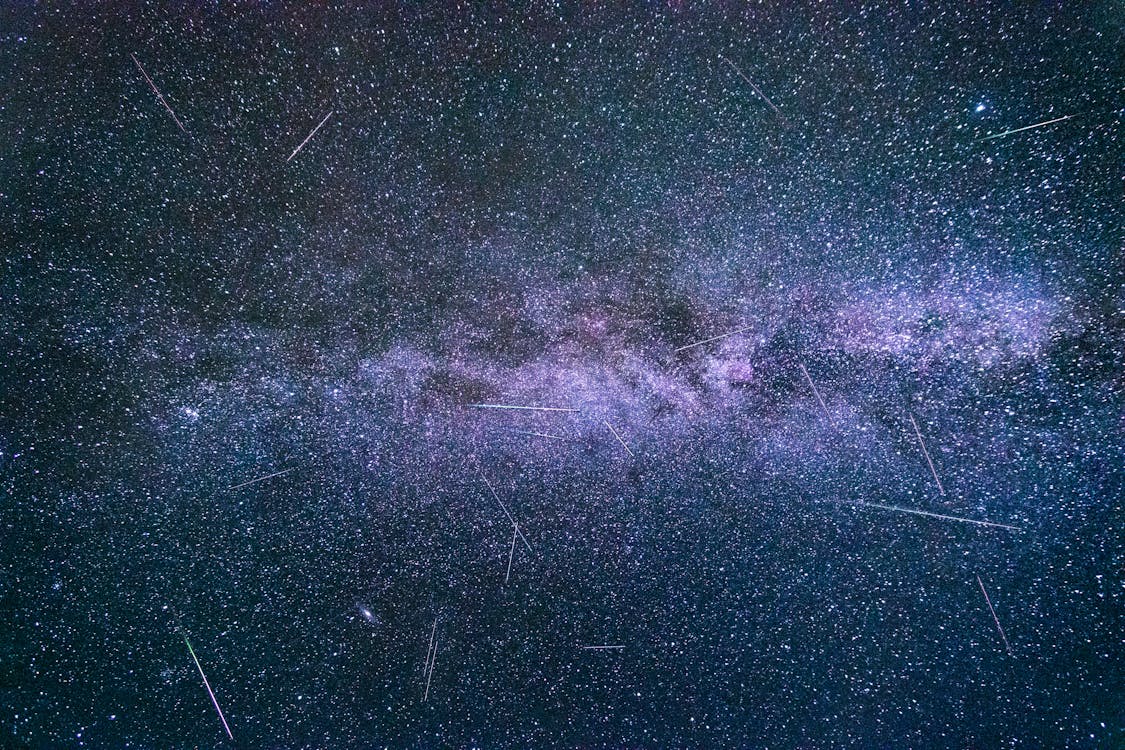
The result is a night sky of a quality that is hard to find anywhere in Europe. From any high point on the island, and especially from the Roque de los Muchachos, the Milky Way is visible with astonishing clarity. Moonless nights offer a spectacle that literally takes your breath away: thousands of stars, nebulae visible to the naked eye, satellites crossing the firmament, and, with luck, the occasional meteor shower.
"The first time I saw the night sky from the Roque de los Muchachos, I understood why they built the observatory here. It is not a sky: it is a window to the universe."
To enjoy the starry sky, you do not need to go up to the observatory. There are several astronomical viewpoints scattered across the island with information panels about the constellations. Some of the best spots are Llano del Jable, the San Bartolo viewpoint, and the La Rosa del Paso recreational area. And if you want a guided experience, several local companies offer astro-tourism tours with portable telescopes and astronomers who teach you how to read the sky.
Complete your La Palma experience
After touching the sky at the Roque de los Muchachos, head down to sea level and discover the other face of La Palma. Our kayak excursion along the coast of Tijarafe will take you through volcanic cliffs, sea caves, and crystal-clear waters, the same island, a completely different perspective. From telescope to kayak, from cosmos to ocean.